



NEHA Thrive provides practical leadership tools alongside science-informed strategies for managing stress, burnout, and long-term career sustainability while helping strengthen leadership capacity, improve communication and decision-making, and reinforce resilience.
In 2025, FDA sampled domestic and imported honey to detect food fraud. Consistent with previous years, the rate of fraud was low, but still high enough to emphasize the ongoing vulnerability of honey to economically motivated adulteration.
Campden BRI’s Ninth Global Food Safety Training Survey, conducted in collaboration with global certification bodies, revealed gaps in training practices, technology adoption, and program effectiveness across the food and beverage industry.
What Manual Documentation is Really Costing Your Food Safety Program
April 8, 2026
Most food manufacturers know that documentation matters. Few have stopped to calculate what poor documentation is costing them—in time, in audit exposure, and in the operational intelligence they can't yet use.
Monitoring and recordkeeping are the heart of HACCP. Records demonstrate that the program is being properly managed and that the established critical limits are being met, providing supporting data to show that the processor is producing safe foods.
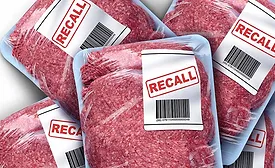
The company says the recall is being issued “under protest” and “as a path forward,” while continuing to contest the epidemiological evidence provided by FDA.
The 28th session of the Codex Committee on Residues of Veterinary Drugs in Foods made advances related to maximum residue limits (MRLs), extrapolation approaches, and risk management guidance, with several measures forwarded to the Codex Alimentarius Commission for adoption.
Although FDA was unable to find a cause of contamination, a single supplier of the contaminated moringa powder was identified. Affected products, which were sold under the Rosabella brand and distributed by Ambrosia Brands LLC, have been recalled.