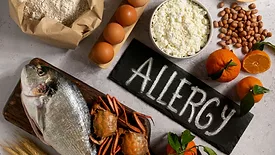

During the 49th Meeting of the Codex Committee on Food Labeling (CCFL49), guidelines on risk-based precautionary allergen labeling, labeling for multipack foods, and emergency flexible labeling were recommended for adoption. CCFL also declined a proposal to initiate work related to ultra-processed foods.
Supply chains are going digital, omnichannel operations are becoming the norm, and automation is everywhere. This should be good news for food fraud prevention. More data should mean more visibility, but in reality, it also creates more opportunities for both prevention and exploitation.
In this episode of Food Safety Matters, we speak to internationally regarded microbiologist and process authority—and Food Safety Magazine’s 2026 Distinguished Award Recipient—Larry Keener, about the highlights of his career, important food safety developments, and advice for early-career professionals.
Food safety professionals need better PR, not only to give credit where credit is due but also to ensure that a consistent stream of young talent is entering and innovating in the field.
Drawing from EFSA risk assessments, OpenFoodTox provides structured summaries of hazard information for thousands of individual substances, including food additives and flavorings, pesticides, contaminants, and food contact materials.
Realizing measurable improvement in food safety performance rests largely on the culture of your company. Dedicated investment in optimizing your organization's food safety culture—from the boardroom to the warehouse, and throughout your entire supply chain—offers significant returns in the form of regulatory compliance, mitigated recall risk, enhanced consumer trust, and a more skilled and invested workforce.
Strengthening food system resilience requires not only technological innovation, but also an improved societal understanding of food system dynamics and risks.
The findings, based on a novel approach and published in Nature Health, suggest that traditional chemical safety assessments may overlook combined exposures and real-life environmental conditions. Transcriptomic analysis implicated a non-genotoxic mode of action by which pesticides interfere with normal cell function and identity processes.
Conducted by NEHA and FDA, a survey of more than 2,700 retail food handlers has revealed strong food safety knowledge overall, with room for improvement in certain areas. The findings support recommendations for enhancing training programs.
None of the exposures to the five additives and flavorings assessed presented a health concern for the EU population. The pilot helped identify shortcomings in the monitoring framework that will be rectified for future reports.