Food companies need to embrace a change in their culture to one of collaboration with their internal colleagues and their equipment and infrastructure supply chain. Public health can only be maintained with safe food, and a culture of hygienic design helps deliver it in a responsible way.
To improve food safety and reduce the risk of foodborne illness related to meal kits, it is important to evaluate operations with a farm-to-fork lens, ensuring not just the safety of the meal kit itself but also promoting proper handling and preparation by the customer.
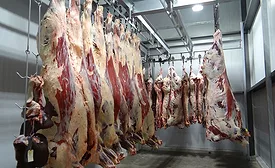
The launch of this meat research and discovery program will drive innovations beyond conventional meat processing and will streamline the tracking of foodborne pathogens throughout the meat production chain and evaluations of the efficacy of intervention measures.
In our last column, we revisited some of the testing-related topics we have covered since the inception of Food Safety Insights. This article looks at a few of the other subjects that have made an impact on our markets in these past 5 years.
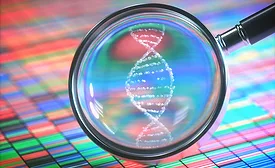
Implementation of rapid whole-genome sequencing could help transform microbial risk surveillance across the food industry from a surveillance approach to a more preventive approach; one in which we can identify outbreak indicators to predict, and take steps to prevent, a problem before it even occurs.
Foreign bodies are a large risk to the food and drink industry with authorities recalling products due to foreign-body contamination. Learn how a strong food safety culture can help a company implement best practices in avoiding such events.
Food safety incidents like cyberattacks are increasing, which require the use of metrics to help prevent and overcome these challenges facing food safety professionals. This is the last in a three-part series looking at enterprise risk management in food safety.
Industry officials in food safety who have been there commonly warn "you don’t want to be exchanging business cards with your regulators at the beginning of a food safety event." Whether an outbreak, recall, natural disaster, or other event, knowing your regulators in advance of the event results in a much more effective relationship during challenging times.
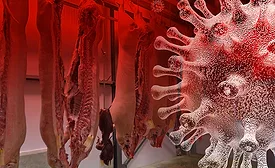
The meat and poultry industry faced unprecedented disruption from the COVID-19 pandemic, as employees worked in tight quarters on production lines, making it especially vulnerable. What is the current state of knowledge of the risk factors for such workers?
 RSS
RSS