The free virtual event will take place on March 31 and will feature four European research and innovation initiatives to discuss how food security can be safeguarded by addressing fraud, crises, cyber threats, and chemical, biological and radiological (CBR) hazards across the food supply chain.
Radio Frequency Company’s Macrowave Radio Frequency (RF) pasteurization systems have been fully validated for the treatment of rice flour utilized in infant formula, achieving a greater than 5-log reduction of important pathogens.
The free resource outlines practical ways to identify risks, select the right inspection technologies, and build a proactive foreign material contamination prevention strategy, focusing on five key areas of food safety management.
The in-person Dairy Plant Food Safety Workshops and Supplier Food Safety Management Workshop help dairy manufacturers enhance their in-plant and supplier food safety programs and strengthen preventive controls, in alignment with regulatory requirements.
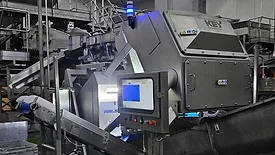
The system was developed for vegetable processors handling multiple SKUs, mixed products, and frequent production changeovers. COMPASS is ideal for fresh and individually quick frozen (IQF) corn, peas, and green beans.
The engineering-led assessment program helps food and beverage processors identify drainage risks, prioritize hygienic upgrades, and implement facility-specific standard operating procedures (SOPs) for long-term performance.
Marking the first time an SQF Code is introduced as a fully digital experience, the newly released Edition 10 is designed to strengthen audit credibility, reinforce food safety culture, and provide clearer signals around risk.
 RSS
RSS