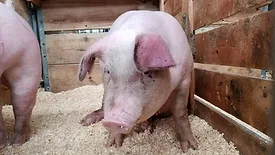
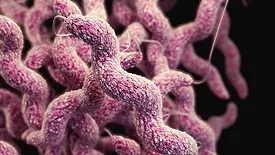
Genomic analysis also identified biofilm-forming ability in half of isolates, as well as clinically relevant virulence genes. The study, conducted in the Indian state of Meghalaya, represents the country’s first genomic characterization of C. jejuni from pig sources.
An analysis of multinational WGS surveillance data suggests that a multidrug-resistant lineage of Campylobacter coli has circulated across human, animal, food, and environmental sources in Europe for years, highlighting the need for coordinated One Health genomic surveillance.
At the highest tested dose, every isolate, even those exhibiting antimicrobial resistance (AMR), underwent at least a 2-log reduction in viable cells. Modeling suggested that such a reduction could decrease public health risk of infection by up to 90 percent.
The Sensor4Food research project will develop five photonic sensing technologies intended to identify pathogenic contamination, animal disease, and meat quality issues at critical points in poultry production, possibly supporting a digital “poultry passport” to link information about poultry production, transport, welfare, and processing.
Food Standards Scotland (FSS) has outlined its plans to reduce foodborne illness over the next three years, prioritizing Campylobacter, Listeria monocytogenes, and Shiga toxin-producing Escherichia coli, as well as its related research objectives.
Michigan State University researchers found that a gut microbiota-derived metabolite inhibited Campylobacter jejuni growth and colonization, which could guide possible non-antibiotic interventions for campylobacteriosis.
The researchers concluded that integrating multiple sampling matrices and detection methods could improve understanding of Campylobacter occurrence in commercial broiler production and support preharvest surveillance.
This episode of Food Safety Five covers new research on the impact of spray application on sanitizer efficacy, ROI of WGS for foodborne pathogen surveillance, effect of common food additives on gut health and implications for safety assessment, and contribution of industrial poultry farming to global Campylobacter spread.
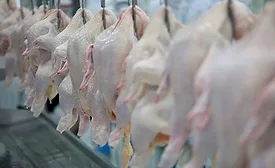
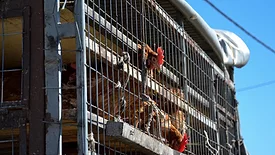
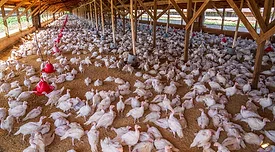
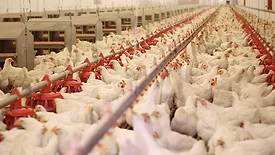
Oxford University researchers found that the expansion of dense, industrial chicken farming created conditions that enabled Campylobacter strains to spread, mix, and acquire traits that could improve their survival in poultry production environments.
The Food Safety Authority of Ireland (FSAI) has published its first national risk ranking of microbiological foodborne hazards, which is intended to support risk-based food safety management by helping prioritize prevention, surveillance, and control efforts.