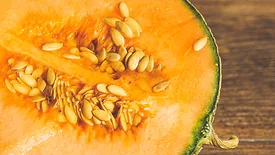
A CDC analysis of multistate foodborne illness outbreak investigation data for 2023 reveals the foods and pathogens that caused the greatest number of outbreaks and illnesses. A single salmonellosis outbreak linked to cantaloupe accounted for 407 illnesses.
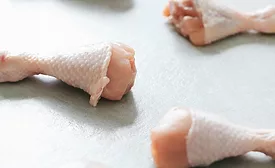
USDA Food Safety and Inspection Service (USDA-FSIS) laboratories now use an improved enrichment method for Campylobacter in poultry meat samples, which reduced enrichment incubation time by half, and shaved a day off of reporting times for results.
Per Trace One’s analysis of FDA National Antimicrobial Resistance Monitoring System (NARMS) data, the U.S. states with the highest levels of Salmonella and Campylobacter contamination in retail meat are Georgia, South Carolina, and Tennessee.
In England, cases of both Campylobacter and Salmonella infection increased by 17.1 percent from 2023 to 2024—the highest rates seen in a decade—according to the latest UK Health Security Agency (UKHSA) annual data.
A key component of the project was a field and laboratory study conducted to assess the presence and potential transmission of AMR Campylobacter and Escherichia coli during the processing of chicken in two similar-sized, large-scale UK chicken processing sites.
A recent study showed the high prevalence of Campylobacter in Nigeria with poultry as the primary reservoir, carrying significant food safety implications, and highlighting the importance of controlling the pathogen from a One Health perspective.
According to UK Health Security Agency (UKHSA) laboratory data on campylobacteriosis and non-typhoidal salmonellosis reports in England for 2014–2023, the total number of confirmed reports for both pathogens reached ten-year highs in 2023, and incidence for both also increased from the previous year.
The UK Health Security Agency (UKHSA) recently published its first annual report summarizing infectious disease trends, which noted increases in the incidence of infections by important foodborne pathogens like Escherichia coli, Salmonella, Listeria monocytogenes, Campylobacter, and norovirus.
A study from Public Health Agency of Canada researchers raised concerns about the persistence of Salmonella and Campylobacter in broiler chickens that are resistant to important Category I antimicrobials.
Researchers from the Danish Technical University National Food Institute achieved an 80 percent reduction in Campylobacter in free-range chickens under real-world conditions by adding biochar to their feed.