In his veto letter, Gov. Gavin Newsom said he agreed with Senate Bill 682’s goal of phasing-out “forever chemicals” from consumer products, but said the bill would sacrifice Californians' ability to afford household products like cookware.
Senate Bill 68 (SB 68), titled, the Allergen Disclosure for Dining Experiences Act (ADDE), will apply to chain restaurants with 20 or more locations by January 1, 2026.
The International Association of Color Manufacturers has filed a lawsuit against the recently enacted West Virginia House Bill 2354, which prohibits foods containing certain artificial colorants and additives from being sold in the state, arguing that it is unconstitutional and unlawful.
Assembly Bill (AB) 1264, titled, the Real Food, Healthy Kids Act, establishes a legal definition for ultra-processed foods, and tasks the state Department of Public Health with identifying and banning particularly harmful ultra-processed foods from California schools.
Illinois recently enacted a law that requires baby food manufacturers to test their products for toxic elements (i.e., lead, cadmium, arsenic, and mercury). By January 2027, the results must be made publicly available for consumers.
California Assembly Bill (AB) 1264 has passed the Senate, and now awaits final approval before being sent to the Governor. AB 1264 would define “ultra-processed foods” (UPFs), and would require “UPFs of concern” to be identified and phased out of schools.
Following years of line speed waiver extensions and worker safety trials under modernized swine/poultry slaughter inspection pilot programs, the American Protein Processing Act would lift line speed limits in pork and poultry processing facilities that meet food safety criteria set by USDA.
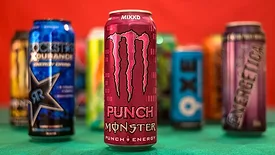
The UK Government has proposed rules that would prohibit the sale of high-caffeine energy drinks to children under the age of 16, intended to “prevent obesity in up to 40,000 children and deliver health benefits worth tens of millions of pounds.”
Beginning September 1, the “Failure to Prevent Food Fraud” corporate offence under the UK Economic Crime and Corporate Transparency Act will make it so that large businesses can be held criminally accountable for acts of food fraud committed by an individual within the organization.