Effective supplier verification requires more than documentation. Food safety experts explain how risk-based verification, microbiological testing, and multidisciplinary collaboration can help processors identify supplier issues, strengthen hazard controls, and protect business operations.
As regulatory requirements continue to evolve and consumer expectations increase, organizations across the fresh produce supply chain must adopt a proactive approach to risk management that emphasizes prevention, verification, transparency, and continuous improvement.
Automated, risk-tiered supplier monitoring does not prevent an outbreak (like this summer's cyclosporiasis event) or replace the traceback work done by FDA and CDC, but it can change how fast and how precisely a distributor can act while that investigation unfolds.
Retailers and foodservice operators can protect major accounts by treating complaints not as normal operating conditions, but as intelligence—pinpointing true root causes, building supplier capability, and driving complaint volume as close to zero as possible.
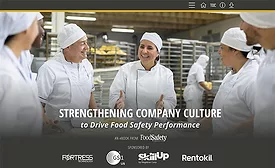
Realizing measurable improvement in food safety performance rests largely on the culture of your company. Dedicated investment in optimizing your organization's food safety culture—from the boardroom to the warehouse, and throughout your entire supply chain—offers significant returns in the form of regulatory compliance, mitigated recall risk, enhanced consumer trust, and a more skilled and invested workforce.
Supplier preventive controls are a key element of food safety assurance in the end-to-end supply chain of food manufacturing to retail foodservice and sales
This article explores how supplier preventive controls are a key element of food safety assurance in the end-to-end supply chain of food manufacturing to retail foodservice and sales.
Researchers at Henley Business School are conducting a global research study on how organizations screen and evaluate new suppliers in food and agri-food supply chains. Your insights will contribute to a broader understanding of current practices and help shape future standards.
Food safety programs based on strong relationships are crucial for ensuring food safety, a continuous and quality supply, and smooth operations. This article explains how establishing strong relationships with suppliers and other key internal and external stakeholders is part of being an effective food safety business leader.
When it comes to food safety, collaboration between ingredient suppliers and finished food manufacturers is crucial, but both parties’ crisis management plans typically do not detail the specific partnership needed in the case of a food safety incident. This article discusses what this collaboration should look like.