Food Safety
search
Ask Food Safety AI
cart
facebook twitter linkedin instagram youtube
  • Sign In
  • Join Today
  • Sign Out
  • My Account
Food Safety
  • NEWS
    • Latest News
    • Food Safety Five Newsreel
  • PRODUCTS
  • TOPICS
    • Contamination Control
    • Food Types
    • Management
    • Process Control
    • Regulatory
    • Sanitation
    • Supply Chain
    • Testing and Analysis
  • PODCAST
  • EXCLUSIVES
    • eBooks
    • Sponsored Insights
    • Sponsored White Papers
    • FSM Distinguished Service Award
    • Interactive Product Spotlights
    • Videos
  • MORE
    • BUYER'S GUIDE
    • Store
    • ASK FSM AI
  • WEBINARS
  • FOOD SAFETY SUMMIT
  • FSM FEATURES
    • FSM Features Collection
    • eMag Archives
    • Op-Eds
    • Editorial Advisory Board
    • Contact
    • Advertise
  • JOIN
NewsContamination ControlFood TypeTesting & AnalysisMicrobiological ControlMicrobiological Testing & AnalysisMeat/Poultry

A Quarter of Cooks Cause Cross-Contamination Whether They Wash Chicken or Not

By Bailee Henderson
person cutting raw chicken in home kitchen

Credit: Urbazon/E+ via Getty Images

April 8, 2022

A recent study has shed new light on the issue of consumers washing their poultry before cooking it. NC State University researchers, with the support of the U.S. Department of Agriculture Food Safety and Inspection Service (FSIS), found that roughly a quarter of home cooks who were observed while cooking chicken thighs and a salad had contaminated the salads with bacteria from the chicken, regardless of whether or not they had washed the chicken prior to cooking it.

In the past, FSIS has urged consumers not to wash their poultry before cooking it because water used to wash the chicken can contaminate the sink and surrounding surfaces. The aim of the study was to discover what effect education would have on consumers who wash their poultry prior to cooking it, what effect any change in behavior resulting from educational efforts would have on contamination reduction, and whether or not washing poultry would increase contamination in the kitchen.

The study observed 300 home cooks who self-reported having a habit of washing their chicken before cooking it. The control group of 158 participants did not receive any educational intervention prior to the observational study, while the treatment group of 142 participants received safety information via email with instructions warning against washing poultry. The participants were then brought to a test kitchen, where they were directed to cook chicken thighs and prepare a salad.

Researchers observed that 93 percent of the treatment group did not wash their chicken prior to cooking it, as instructed in the educational material they were provided. Only 39 percent of the uneducated control group refrained from washing the chicken. Both groups were provided with chicken that was contaminated with a harmless, traceable strain of bacteria, and both groups ended up having similar levels of contamination in the kitchen. For chicken washers, 26 and 30 percent of the prepared salad was contaminated for the control and treatment groups, respectively; for those who did not wash the chicken, 31 and 15 percent of the salad was contaminated for the control and treatment groups, respectively. In addition to the salad lettuce, researchers also found high levels of the traced bacteria in the sinks, and relatively little contamination on the nearby counters.

The researchers suspect hand-facilitated cross-contamination to be the cause of bacterial contamination in the kitchen sinks and salads. The results of the study suggest that educational intervention is effective in convincing consumers not to wash chicken prior to cooking it. The study also demonstrates the need to shift the emphasis of public education from not washing poultry to ensuring thorough hand washing and surface sanitization habits.


Looking for quick answers on food safety topics?
Try Ask FSM, our new smart AI search tool.
Ask FSM →

KEYWORDS: contamination FSIS NC State University poultry research study washing chicken

Share This Story

1786925983615

Bailee Henderson is the Director of Content Strategy for Food Safety Magazine. In the day-to-day, she covers industry-relevant current events, regulatory affairs, and scientific developments. She also produces the Food Safety Five Newsreel, edits the twice-weekly Food Safety Digest newsletter, and manages the brand's social media channels. Notably, Bailee's coverage for Food Safety Magazine has been featured in national televised news segments including CBS Sunday Morning and MSNBC's Rachel Maddow Show. She can be reached at hendersonb@bnpmedia.com.

Recommended Content

JOIN TODAY
to unlock your recommendations.

Already have an account? Sign In

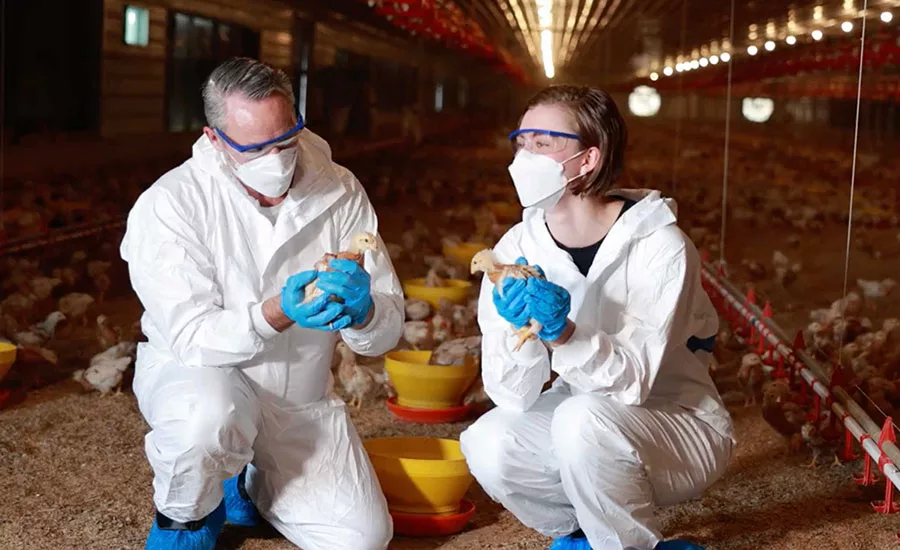
  • people holding baby chicks

    Serovar Differences Matter: Utility of Deep Serotyping in Broiler Production and Processing

    This article discusses the significance of Salmonella in...
    Contamination Control
    By: Nikki Shariat Ph.D.
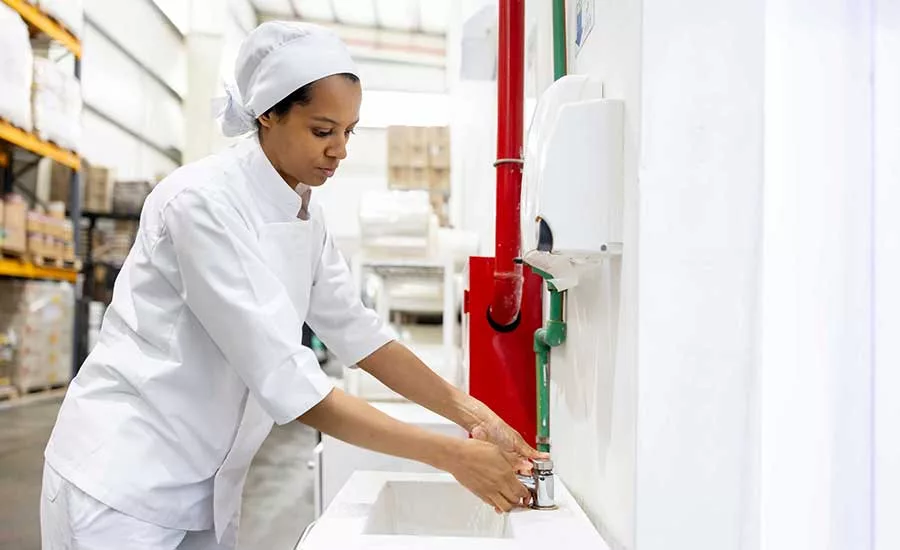
  • woman washing hands

    Building a Culture of Hygiene in the Food Processing Plant

    Everyone entering a food processing facility needs to...
    Personal Hygiene/Handwashing
    By: Richard F. Stier, M.S.
  • graphical representation of earth over dirt

    Climate Change and Emerging Risks to Food Safety: Building Climate Resilience

    This article examines the multifaceted threats to food...
    Risk Assessment
    By: Maria Cristina Tirado Ph.D., D.V.M. and Shamini Albert Raj M.A.
Manage My Account
  • Join Food Safety Magazine
  • Manage My Preferences
  • Customer Service

More Videos

Sponsored Content

Sponsored Content is a special paid section where industry companies provide high quality, objective, non-commercial content around topics of interest to the Food Safety Magazine audience. All Sponsored Content is supplied by the advertising company and any opinions expressed in this article are those of the author and not necessarily reflect the views of Food Safety Magazine or its parent company, BNP Media. Interested in participating in our Sponsored Content section? Contact your local rep!

close
  • pre-packaged salads, noodles, and prepared meals stocked on multi-tier grocery store refrigerator shelves
    Sponsored byCorbion

    How Many Days of Shelf Life Are You Leaving on the Table?

  • Top view portrait of two factory workers standing by conveyor belt during quality inspection at food production, copy space
    Sponsored byFlexXray

    Foreign Material By the Numbers: What the 2026 Benchmark Report Reveals

  • a conveyorized industrial metal detector system that appears to resemble a Loma Systems IQ4 Metal Detector setup with an integrated conveyor belt and control panel for food or package inspection.
    Sponsored byMettler Toledo

    Beyond Detection: How to Avoid Physical Contamination in Food Through a Smarter Inspection Strategy

Popular Stories

man in suit inspector looking at documents in restaurant kitchen

FDA Issues 2026 Voluntary National Retail Food Regulatory Program Standards

Heidi Overton

White House Pulls Dr. Heidi Overton as Nominee for FDA Commissioner

food safety scientists and microbiologists working in a laboratory to test food and microbiological samples

The Challenge of Addressing Hidden Chemical Food Risks

AI and Advanced Analytics ebook

Events

December 2, 2026

Beyond Surface Clean: Tackling Biofilms and Persistent Pathogens

Live: December 2, 2026 at 11:00 am EST: Attend this webinar to understand why chlorine dioxide is not chlorine, and what “ultra-pure” means for residues, byproducts, and effectiveness.

December 3, 2026

How to Use AI to Improve Workforce Training

Live: December 3, 2026 at 11:00 am EST: This webinar will cover best practices for reviewing, refining, and governing AI-generated training content for accuracy and consistency.

December 8, 2026

Best Practices for Responding to a Foodborne Outbreak Investigation

Live: December 8, 2026 at 2:00 pm EST: Attendees will gain practical insight into the roles and expectations of industry and government during foodborne illness investigations, and how effective collaboration can support timely investigations and the best possible public health outcome.

View All

Products

Global Food Safety Microbial Interventions and Molecular Advancements

Global Food Safety Microbial Interventions and Molecular Advancements

See More Products

Related Articles

  • 59022087e86bf441084fd-01632a38.jpg

    IAFP Director David Tharp Marks a Quarter Century on His Summer Job

    See More
  • top-down view of various cheese dairy products on table

    Analysis: Dairy Products Led Global Food Recalls in First Quarter of 2025

    See More
  • E. coli bacteria

    First Quarter of 2021 Brings Only Two Multistate Foodborne Illness Outbreaks

    See More

Related Products

See More Products
  • food safety.jpg

    Food Safety Contaminants and Risk Assessment

  • food-safety-making.jpg

    Food Safety: Making Foods Safe and Free From Pathogens

  • 9781498762878.jpg

    Food Safety and Protection

See More Products

Related Directories

  • SmartWash Solutions

    Get the highest level of food safety in the industry with SmartWash Solutions. •Achieve FSMA compliance •Mitigate cross-contamination, avoiding outbreaks and recalls •Monitor and control wash water chemistry, increasing efficiency. With our full-service partnership you’ll have state-of-the-art equipment, expert calibration, ongoing maintenance, easy integration and real-time process control. Visit smartwashsolutions.com
  • Citi Program, a Div. of Brany

    CITI Program will continue to expand to meet the ever-growing needs of the research, healthcare, technology, and educational organizations that rely on us to train learners globally. We plan to continue to build new content offerings, invest in enhancing the learning management features and delivery, and continuously improve the quality and value of our program. As CITI Program enters its third decade, we will aim to remain a trusted partner and the preeminent choice for organizations to meet their training needs.
  • A.P. Lyon

    Ready-to-use food safety and quality system documents: ISO 22000 and FSSC 22000 systems, HACCP plans for seafood, meat and poultry, juice and restaurants, and dietary supplement GMP. Written by a former Director of Quality Assurance with 30+ years of experience; documents used in certification audits in 58 countries.
×

Never miss the latest news and trends shaping the food safety industry

Newsletters | Website | FSM Features Collection

JOIN TODAY!
  • RESOURCES
    • Advertise
    • Contact Us
    • Directories
    • Store
  • JOIN TODAY
    • Create Account
    • FSM Features Collection
    • Newsletters
    • Customer Service
    • Manage Preferences
  • SERVICES
    • Marketing Services
    • Reprints
    • Market Research
    • List Rental
    • Survey/Respondent Access
  • STAY CONNECTED
    • LinkedIn
    • Facebook
    • Instagram
    • X (Twitter)
    • YouTube
  • PRIVACY
    • PRIVACY POLICY
    • TERMS & CONDITIONS
    • DO NOT SELL MY PERSONAL INFORMATION
    • PRIVACY REQUEST
    • ACCESSIBILITY

Copyright ©2026. All Rights Reserved BNP Media, Inc. and BNP Media II, LLC.

Design, CMS, Hosting & Web Development :: ePublishing