Food Safety
search
Ask Food Safety AI
cart
facebook twitter linkedin instagram youtube
  • Sign In
  • Create Account
  • Sign Out
  • My Account
Food Safety
  • NEWS
    • Latest News
    • White Papers
  • PRODUCTS
  • TOPICS
    • Contamination Control
    • Food Types
    • Management
    • Process Control
    • Regulatory
    • Sanitation
    • Supply Chain
    • Testing and Analysis
  • PODCAST
  • EXCLUSIVES
    • Food Safety Five Newsreel
    • eBooks
    • FSM Distinguished Service Award
    • Interactive Product Spotlights
    • Videos
  • BUYER'S GUIDE
  • MORE
    • NEWSLETTERS >
      • Archive Issues
      • Subscribe to eNews
    • Store
    • Sponsor Insights
    • ASK FSM AI
  • WEBINARS
  • FOOD SAFETY SUMMIT
  • EMAG
    • eMagazine
    • Archive Issues
    • Editorial Advisory Board
    • Contact
    • Advertise
  • SIGN UP!

Sterilex Virucidal Disinfectants protect essential workers during COVID-19 outbreak

Sterilex Virucidal Disinfectants protect essential workers during COVID-19 outbreak
April 20, 2020

Company: Sterilex

Website: www.sterilex.com

Equipment Snapshot: As food manufacturers continue production during the COVID-19 pandemic, they are faced with the challenges of keeping their workforces safe and healthy. Sterilex, a provider of EPA registered disinfectant products suitable for use in food manufacturing, has an expanded protocol designed to safeguard workers for essential businesses within the food supply chain. “Essential workers within the food industry don’t have the luxury of telecommuting. It requires hands-on labor and an element of risk to maintain our food supply,” says Shira Kramer, Ph.D., public health epidemiologist, and company founder. “Here at Sterilex, we want to help food manufacturers enhance their disinfection protocols to protect their valued employees and keep supply chains open and running.”

While food manufacturing facilities already have sanitation protocols in practice for production areas, these additional protocols encompass other zones within sites where worker safety could be compromised, such as breakrooms, cafeterias, locker rooms and offices. “The same Sterilex products being used in food production areas are now on EPA’s List-N of disinfectants for use against SARS-CoV-2 (Coronavirus),” explains Kramer. “We’ve devised additional disinfection protocols for control of viruses in non-production areas as another layer of protection to help safeguard essential workers and to reduce cross contamination between treated surfaces.”

Expanded virucidal disinfection in breakrooms, locker rooms and offices can be accomplished by either mopping, wiping or spraying surfaces with a mixture of Sterilex Ultra Disinfectant Cleaner and Activator Solution. Non-food contact surfaces do not need rinsing. Complete application recommendations and protocols can be found at sterilex.com/coronavirus.   

COVID-19 is caused by SARS-CoV-2. The company’s Sterilex Ultra Disinfectant Cleaner Solution 1, when combined with Sterilex Ultra Activator Solution, according to the proper protocol, kills similar viruses. Therefore, it can be used against SARS-CoV-2. EPA has included these Sterilex products on its short list of disinfectants companies can use to clean facilities during this current viral outbreak.

Sterilex is distinctly situated to help safeguard the food supply chain with a virucidal product that carries a unique regulatory designation that it can be applied to food contact surfaces, with a rinse. Please refer to the CDC website at https://www.cdc.gov/coronavirus/2019-ncov/ for additional information on the outbreak.

Looking for quick answers on food safety topics?
Try Ask FSM, our new smart AI search tool.
Ask FSM →


KEYWORDS: coronavirus and food safety disinfection Sterilex

Share This Story

Recommended Content

JOIN TODAY
to unlock your recommendations.

Already have an account? Sign In

  • people holding baby chicks

    Serovar Differences Matter: Utility of Deep Serotyping in Broiler Production and Processing

    This article discusses the significance of Salmonella in...
    Contamination Control
    By: Nikki Shariat Ph.D.
  • woman washing hands

    Building a Culture of Hygiene in the Food Processing Plant

    Everyone entering a food processing facility needs to...
    Facilities
    By: Richard F. Stier, M.S.
  • graphical representation of earth over dirt

    Climate Change and Emerging Risks to Food Safety: Building Climate Resilience

    This article examines the multifaceted threats to food...
    Risk Assessment
    By: Maria Cristina Tirado Ph.D., D.V.M. and Shamini Albert Raj M.A.
Manage My Account
  • eMagazine Subscription
  • Subscribe to Newsletters
  • Manage My Preferences
  • Website Registration
  • Subscription Customer Service

More Videos

Sponsored Content

Sponsored Content is a special paid section where industry companies provide high quality, objective, non-commercial content around topics of interest to the Food Safety Magazine audience. All Sponsored Content is supplied by the advertising company and any opinions expressed in this article are those of the author and not necessarily reflect the views of Food Safety Magazine or its parent company, BNP Media. Interested in participating in our Sponsored Content section? Contact your local rep!

close
  • NEVIFIT 3 Compartment BPA-FREE
    Sponsored byCorbion

    The Risks of Ready-to-Eat: Five Ways to Protect Today's Prepared Meals

  • a group of workers in a food production facility
    Sponsored bySkillUp by Registrar Corp

    How to Build a Better Training Program: Data and Insights from the Global Food Safety Training Survey

  • the use of dual-energy X-ray food inspection technology to identify foreign contaminants.
    Sponsored byEagle by METTLER TOLEDO

    Precision Inspection Starts with the Right X-ray Detector

Popular Stories

green powder/moringa in wooden mortar

FDA Opens Third Salmonella–Moringa Outbreak Investigation of the Year

FoodSafetyMattersFinal-900x550-(002).jpg

Ep. 218. Dr. Brady Carter: Water Activity, Shelf-Life Validation, and Food Safety Controls

fermented meat

Study is First to Analyze Trends in Foodborne Illness Outbreaks Linked to Non-Dairy Fermented Products

a practical guide to spoilage investigation webinar

Events

June 10, 2026

A Practical Guide to Spoilage Investigation and Prevention

Live: June 10, 2026 at 11:00 am EDT: Join this webinar to learn how to identify spoilage root causes, reduce risk, and apply data-driven strategies for prevention.

June 16, 2026

Sustainable Food Contact Materials: Where Regulation Meets Analytical Testing

Live: June 16, 2026 at 11:00 am EDT: This webinar explores how sustainability regulations are changing food contact material requirements, including packaging compliance, unintended substances, and per- and polyfluoroalkyl substances.

June 17, 2026

Living HACCP: Practical Steps for Implementation

Live: June 17, 2026, at 12:00 pm EDT: From this webinar, attendees will understand how social norms shape the way hazards are understood, how decisions are made, and how well risks are understood and acted on across companies.

View All

Products

Global Food Safety Microbial Interventions and Molecular Advancements

Global Food Safety Microbial Interventions and Molecular Advancements

See More Products

Related Articles

  • China

    Covid-19 outbreak could spur flexible packaging use in China

    See More
  • Food Safety Strategies coronavirus news

    Tyson halts production of Storm Lake facility after COVID-19 outbreak

    See More
  • Controlant hosts online webinar to help organizations develop strategies for managing supply chain risk during COVID-19

    Controlant hosts online webinar to help organizations develop strategies for managing supply chain risk during COVID-19

    See More

Related Products

See More Products
  • 1444333348.jpg

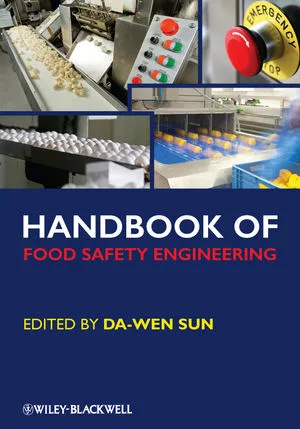
    Handbook of Food Safety Engineering

  • 9781032369990 (1).webp

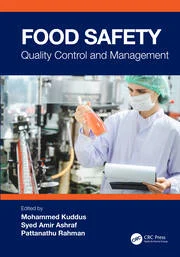
    Food Safety Quality Control and Management

  • 1119258073.jpg

    FSMA and Food Safety Systems: Understanding and Implementing the Rules

See More Products

Related Directories

  • SteraMist Disinfection

    SteraMist cold plasma ionized Hydrogen Peroxide (iHP) technology achieves quick disinfection without residues. SteraMist ensures rapid and efficient disinfection, protecting product quality and maximizing production time. SteraMist EPA-registered broad-spectrum disinfection solution minimizes the risk of cross-contamination by combatting a variety of microorganisms and mold. Learn more at SteraMist.com.
×

Never miss the latest news and trends driving the food safety industry

Newsletters | Website | eMagazine

JOIN TODAY!
  • RESOURCES
    • Advertise
    • Contact Us
    • Directories
    • Store
    • Want More
  • SIGN UP TODAY
    • Create Account
    • eMagazine
    • Newsletters
    • Customer Service
    • Manage Preferences
  • SERVICES
    • Marketing Services
    • Reprints
    • Market Research
    • List Rental
    • Survey/Respondent Access
  • STAY CONNECTED
    • LinkedIn
    • Facebook
    • Instagram
    • X (Twitter)
  • PRIVACY
    • PRIVACY POLICY
    • TERMS & CONDITIONS
    • DO NOT SELL MY PERSONAL INFORMATION
    • PRIVACY REQUEST
    • ACCESSIBILITY

Copyright ©2026. All Rights Reserved BNP Media, Inc. and BNP Media II, LLC.

Design, CMS, Hosting & Web Development :: ePublishing