FAO Explores How Cultural Worldviews Shape Food Safety Risk Perception, Policies
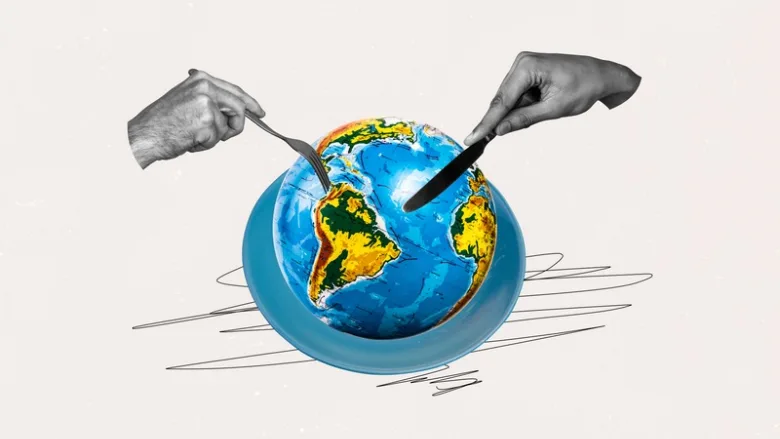
The Food and Agriculture Organization of the United Nations (FAO) has published a report, Worldviews and Food Safety, exploring how cultural values, beliefs, and worldviews influence food safety risk perception, policymaking, and practices, emphasizing the importance of incorporating diverse perspectives and knowledge systems into food safety governance and risk communication.
FAO will host a webinar on December 2, 2026 to discuss key messages from the publication and bring together panelists from Tonga, Canada, New Zealand, and the UK to share perspectives and experiences, including on integrating different knowledge systems into food safety policies and measures.
Worldviews and Food Safety was developed under FAO's Food Safety Foresight Program. It examined how underlying assumptions about the relationships between humans, food, and the environment shape understandings of what constitutes "safe" food, which risks are prioritized, and how food safety decisions are made.
Anthropocentric vs. Ecocentric Worldviews
The report distinguished between anthropocentric worldviews, which prioritize human health and well-being, and ecocentric or biocentric perspectives, which place greater emphasis on the intrinsic value of living organisms and ecosystems. According to FAO, these differing perspectives can influence acceptable levels of food safety risk, the prioritization of hazards, and the consideration of environmental impacts in food safety policies.
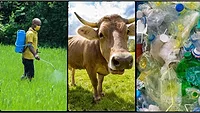
For example, food packaging presents trade-offs between food safety and environmental protection. Although food-contact materials help prevent contamination and reduce food waste, plastic packaging contributes to environmental pollution, while recycled alternatives can introduce concerns about chemical migration into food.
The report also highlighted the importance of considering long-term food safety risks associated with environmental changes, including climate change, biodiversity loss, and antimicrobial resistance. FAO identified the One Health approach, which recognizes the interdependence of human, animal, and environmental health, as a framework for integrating different perspectives into food safety decision-making.
Implications for Food Safety Policy and Risk Communication
FAO emphasized that scientific evidence alone may be insufficient to influence food safety behaviors, as cultural beliefs, values, and trust affect how individuals interpret and respond to risk information. The report suggested that incorporating diverse worldviews into food safety governance could support more inclusive, trusted, and effective policies and risk communication strategies.
Looking for quick answers on food safety topics?
Try Ask FSM, our new smart AI search tool.
Ask FSM →
Case studies from Tonga, Canada, and New Zealand illustrated approaches to integrating traditional and Indigenous knowledge with scientific evidence. These included Tonga's National Soil Strategy, community-based research on contaminants in traditional foods among First Nations in Canada, and initiatives incorporating Māori knowledge into food safety guidance and risk assessment in New Zealand.
The report also discussed how gender-related inequalities can influence access to food safety information, resources, and participation in policymaking, particularly in low- and middle-income countries.
Overall, FAO asserted that strengthening food safety systems requires greater consideration of the social, cultural, and environmental factors underlying risk perception and decision-making, alongside established scientific and technical approaches.
FAO recommended further exploration of practical methods for integrating diverse worldviews into food safety foresight, governance, and risk communication, including through collaborative scenario planning and stakeholder engagement.