Food Safety
search
Ask Food Safety AI
cart
facebook twitter linkedin instagram youtube
  • Sign In
  • Join Today
  • Sign Out
  • My Account
Food Safety
  • NEWS
    • Latest News
    • Food Safety Five Newsreel
  • PRODUCTS
  • TOPICS
    • Contamination Control
    • Food Types
    • Management
    • Process Control
    • Regulatory
    • Sanitation
    • Supply Chain
    • Testing and Analysis
  • PODCAST
  • EXCLUSIVES
    • eBooks
    • Sponsored Insights
    • Sponsored White Papers
    • FSM Distinguished Service Award
    • Interactive Product Spotlights
    • Videos
  • MORE
    • BUYER'S GUIDE
    • Store
    • ASK FSM AI
  • WEBINARS
  • FOOD SAFETY SUMMIT
  • FSM FEATURES
    • FSM Features Collection
    • eMag Archives
    • Op-Eds
    • Editorial Advisory Board
    • Contact
    • Advertise
  • JOIN
NewsContamination ControlFood TypeMicrobiological ControlMeat/Poultry

Seasonal Salmonella Meat Contamination Patterns Disappearing in U.S., Except for Ground Beef
By Food Safety Magazine Editorial Team
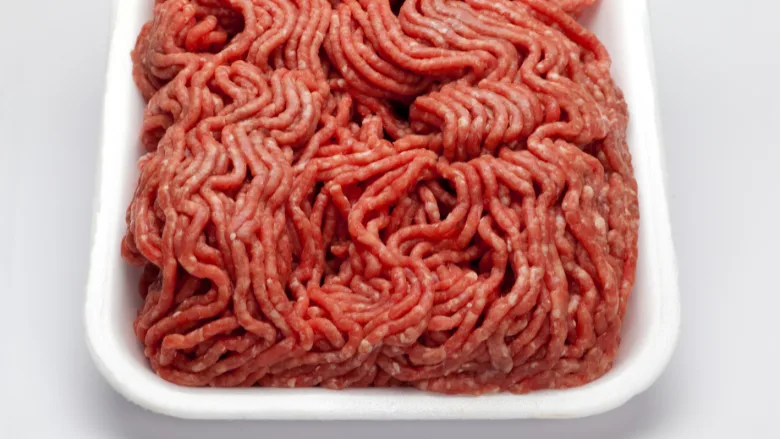
ground beef
Image credit: kaanates/E+ via Getty Images
November 2, 2026

A new study by researchers at the U.S. Department of Agriculture's Food Safety and Inspection Service (USDA-FSIS) has found that seasonal patterns of Salmonella contamination in raw meat and poultry products have changed significantly over the past 25 years, with ground beef being the only commodity to maintain a strong seasonal increase in contamination during warmer months.

A pre-proof to be published in the Journal of Food Protection, the study analyzed USDA-FSIS sampling data collected between 2000 and 2024 to assess historical changes in the seasonal occurrence of Salmonella in ground beef, broiler chicken carcasses, comminuted (ground or minced) turkey, and pork products. The researchers also developed models describing current seasonal patterns using data from 2020–2024.

Although previous research has documented increases in Salmonella contamination during summer months, the researchers found that these seasonal patterns have largely diminished or disappeared in poultry and pork products since approximately 2010. Additionally, the researchers observed that seasonal patterns can change over relatively short periods of five to ten years.

Ground Beef Maintains Seasonal Salmonella Peak

Of the commodities analyzed, ground beef was the only product to maintain a pronounced seasonal pattern of Salmonella contamination throughout the 25-year study period.

Based on data from 2020–2024, the researchers observed that Salmonella contamination in ground beef remained relatively low and stable from December through May, followed by a substantial increase during warmer months, peaking in August. Contamination levels in August and September were similar.

However, the timing of the seasonal pattern has shifted earlier in the calendar year. Specifically, the annual peak moved from September to August beginning in 2011, while the seasonal minimum shifted from April to March in 2006, and subsequently to February in 2011.

The researchers noted that the magnitude of seasonal fluctuations in ground beef was approximately equivalent to the current overall proportion of Salmonella-positive samples, making it the strongest seasonal pattern among the commodities analyzed.

Looking for quick answers on food safety topics?
Try Ask FSM, our new smart AI search tool.
Ask FSM →

The findings suggested that interventions targeting the approximately four-month period of elevated contamination could be an effective approach to reducing Salmonella exposure from ground beef.

Seasonal Salmonella Patterns Have Diminished in Poultry and Pork

In contrast to ground beef, seasonal patterns of Salmonella contamination in broiler chicken carcasses, comminuted turkey, and pork products have weakened substantially or disappeared.

For broiler chicken carcasses, the researchers observed that the pronounced seasonal pattern present in the early 2000s gradually diminished and changed in timing. During 2020–2024, only modest seasonal variation was observed, characterized by lower contamination levels in December and February, rather than the traditional winter minimum and summer peak.

Similarly, comminuted turkey initially exhibited a seasonal pattern characterized by elevated contamination during fall months, peaking in September. However, this pattern diminished after 2005, and no statistically significant seasonal pattern was identified for 2020–2024.

For pork, the researchers found that a strong seasonal pattern in carcass samples, characterized by an August peak, had disappeared by 2011, when routine pork carcass sampling concluded.

Analysis of pork cuts and comminuted pork samples collected during 2020–2024 identified no significant seasonal pattern in pork cuts and only a weak pattern in comminuted pork. The latter exhibited a March peak and September minimum, although the seasonal variation was small relative to the overall proportion of positive samples and was considered to have little practical significance.

Implications for Salmonella Control and Surveillance

The researchers hypothesized that changes in animal production and management practices, including indoor housing, antimicrobial interventions, and other industry controls, may have contributed to the disappearance of seasonal contamination patterns in poultry and pork. However, the study did not directly evaluate the effects of these factors.

The findings may have implications for USDA-FSIS sampling programs and Salmonella risk assessments. In particular, the researchers suggested that baseline studies, which have historically been conducted over 12 months to account for seasonal variation, could potentially be shortened for commodities that no longer exhibit meaningful seasonal fluctuations, provided that monitoring continues.

Additionally, because seasonal patterns were found to change within five to ten years, the researchers emphasized that historical findings may not accurately represent current contamination patterns, underscoring the importance of ongoing surveillance.

The researchers recommended further investigation into the factors responsible for diminishing seasonal patterns in poultry and pork, including whether successful industry interventions could be applied to reduce seasonal Salmonella contamination in ground beef. They also suggested comparing seasonal contamination patterns in food products with human salmonellosis cases to help improve foodborne illness source attribution.

KEYWORDS: ground beef Salmonella study

Share This Story

Fsm purple logo 200x200

The Food Safety Magazine editorial team comprises Bailee Henderson, Director of Content Strategy and news editor ✉, and Adrienne Blume, M.A., Director of Editorial and Industry Engagement.

Recommended Content

JOIN TODAY
to unlock your recommendations.

Already have an account? Sign In

  • people holding baby chicks

    Serovar Differences Matter: Utility of Deep Serotyping in Broiler Production and Processing

    This article discusses the significance of Salmonella in...
    Microbiological Control
    By: Nikki Shariat Ph.D.
  • woman washing hands

    Building a Culture of Hygiene in the Food Processing Plant

    Everyone entering a food processing facility needs to...
    Management
    By: Richard F. Stier, M.S.
  • graphical representation of earth over dirt

    Climate Change and Emerging Risks to Food Safety: Building Climate Resilience

    This article examines the multifaceted threats to food...
    Management
    By: Maria Cristina Tirado Ph.D., D.V.M. and Shamini Albert Raj M.A.
Manage My Account
  • Join Food Safety Magazine
  • Manage My Preferences
  • Customer Service

More Videos

Sponsored Content

Sponsored Content is a special paid section where industry companies provide high quality, objective, non-commercial content around topics of interest to the Food Safety Magazine audience. All Sponsored Content is supplied by the advertising company and any opinions expressed in this article are those of the author and not necessarily reflect the views of Food Safety Magazine or its parent company, BNP Media. Interested in participating in our Sponsored Content section? Contact your local rep!

close
  • pre-packaged salads, noodles, and prepared meals stocked on multi-tier grocery store refrigerator shelves
    Sponsored byCorbion

    How Many Days of Shelf Life Are You Leaving on the Table?

  • Top view portrait of two factory workers standing by conveyor belt during quality inspection at food production, copy space
    Sponsored byFlexXray

    Foreign Material By the Numbers: What the 2026 Benchmark Report Reveals

  • a conveyorized industrial metal detector system that appears to resemble a Loma Systems IQ4 Metal Detector setup with an integrated conveyor belt and control panel for food or package inspection.
    Sponsored byMettler Toledo

    Beyond Detection: How to Avoid Physical Contamination in Food Through a Smarter Inspection Strategy

Popular Stories

man in suit inspector looking at documents in restaurant kitchen

FDA Issues 2026 Voluntary National Retail Food Regulatory Program Standards

Heidi Overton

White House Pulls Dr. Heidi Overton as Nominee for FDA Commissioner

food safety scientists and microbiologists working in a laboratory to test food and microbiological samples

The Challenge of Addressing Hidden Chemical Food Risks

AI and Advanced Analytics ebook

Events

December 2, 2026

Beyond Surface Clean: Tackling Biofilms and Persistent Pathogens

Live: December 2, 2026 at 11:00 am EST: Attend this webinar to understand why chlorine dioxide is not chlorine, and what “ultra-pure” means for residues, byproducts, and effectiveness.

December 3, 2026

How to Use AI to Improve Workforce Training

Live: December 3, 2026 at 11:00 am EST: This webinar will cover best practices for reviewing, refining, and governing AI-generated training content for accuracy and consistency.

December 8, 2026

Best Practices for Responding to a Foodborne Outbreak Investigation

Live: December 8, 2026 at 2:00 pm EST: Attendees will gain practical insight into the roles and expectations of industry and government during foodborne illness investigations, and how effective collaboration can support timely investigations and the best possible public health outcome.

View All

Products

Global Food Safety Microbial Interventions and Molecular Advancements

Global Food Safety Microbial Interventions and Molecular Advancements

See More Products

Related Articles

  • FSS news generic image

    FSIS proposes updated and new Salmonella performance standards for ground beef and beef manufacturing trimmings

    See More
  • ground beef

    CDC Identifies Non-Typhoidal Salmonella as Major Pathogen Causing Foodborne Illness in U.S., Ground Beef Common Cause

    See More
  • ground beef close up

    USDA Testing Retail Ground Beef for HPAI H5N1; Maintains That U.S. Meat Supply is Safe

    See More

Related Products

See More Products
  • 9781138070912.jpg

    Trends in Food Safety and Protection

  • 1119160553.jpg

    Food Safety: Innovative Analytical Tools for Safety Assessment

  • 1119053595.jpg

    Food Safety for the 21st Century: Managing HACCP and Food Safety throughout the Global Supply Chain, 2E

See More Products

Events

View AllSubmit An Event
  • January 27, 2026

    Strategies for Reinforcing Food Safety Culture Among Temporary and Seasonal Staff

    On Demand: From this webinar, attendees will learn common areas where companies encounter challenges in their food defense strategies and how to address them.
  • April 8, 2026

    Foreign Material Contamination: Why In-Line Reinspection Isn't Enough

    On Demand: From this webinar, attendees will learn why reinspecting with in-line equipment is not sufficient when it comes to potential foreign material contamination.
View AllSubmit An Event

Related Directories

  • U.S. Packaging & Wrapping LLC

    Focused on customer packaging solutions, U.S. Packaging & Wrapping can assist with product preservation and protection. Sales staff can assist with modified atmosphere packaging, shrink wrapping, and safely securing pallet loads. Call to speak with a representative today.
  • PATLITE (U.S.A.) Corp.

    Since 1947, PATLITE has offered state-of-the-art equipment for the process and industrial automation industries. Innovative and durable design, backed by years of industry experience and a strong commitment to safety and security, has made PATLITE the world's best-known manufacturer of visual and audible signaling devices.
×

Never miss the latest news and trends shaping the food safety industry

Newsletters | Website | FSM Features Collection

JOIN TODAY!
  • RESOURCES
    • Advertise
    • Contact Us
    • Directories
    • Store
  • JOIN TODAY
    • Create Account
    • FSM Features Collection
    • Newsletters
    • Customer Service
    • Manage Preferences
  • SERVICES
    • Marketing Services
    • Reprints
    • Market Research
    • List Rental
    • Survey/Respondent Access
  • STAY CONNECTED
    • LinkedIn
    • Facebook
    • Instagram
    • X (Twitter)
    • YouTube
  • PRIVACY
    • PRIVACY POLICY
    • TERMS & CONDITIONS
    • DO NOT SELL MY PERSONAL INFORMATION
    • PRIVACY REQUEST
    • ACCESSIBILITY

Copyright ©2026. All Rights Reserved BNP Media, Inc. and BNP Media II, LLC.

Design, CMS, Hosting & Web Development :: ePublishing