International Collaboration Drives Food Safety Systems Development in Latin America
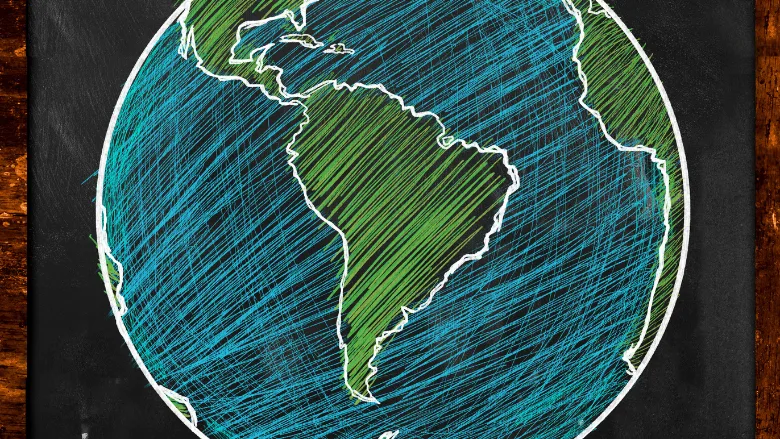
Latin American countries are developing national initiatives to strengthen food safety systems by integrating risk analysis into public policy and regulatory decision-making through a regional project led by the Pan American Health Organization (PAHO), the Food and Agriculture Organization of the United Nations (FAO), and the University of Minnesota, with funding from the UN Standards and Trade Development Facility (STDF).
The project aims to strengthen science-based food safety measures aligned with Codex Alimentarius principles by building national capacity in risk assessment, risk management, and risk communication. Participating countries include Argentina, Brazil, Chile, Colombia, Costa Rica, Ecuador, Honduras, Paraguay, Peru, and Uruguay.
According to the World Health Organization (WHO, an estimated 44 million people in the Americas become ill from contaminated food each year, resulting in approximately 78,000 deaths annually.
The initiative uses a hybrid "learning-by-doing" model in which national technical teams apply risk analysis concepts to case studies addressing their own food safety priorities. The project will develop 24 case studies across six areas: integrating risk-based approaches into national standard-setting, developing risk profiles, risk-based inspection, risk-based sampling, risk assessment, and risk communication.
National authorities will implement and validate the initiatives with the goal of incorporating the resulting tools and knowledge into their food control systems.
The meeting also introduced plans for a Regional Community of Practice on Food Safety, a permanent technical cooperation network intended to support continued knowledge sharing, peer learning, and the use of guidance documents developed through the project.
Looking for quick answers on food safety topics?
Try Ask FSM, our new smart AI search tool.
Ask FSM →