Food Safety
search
Ask Food Safety AI
cart
facebook twitter linkedin instagram youtube
  • Sign In
  • Create Account
  • Sign Out
  • My Account
Food Safety
  • NEWS
    • Latest News
    • Sponsored Insights
    • Sponsored White Papers
  • PRODUCTS
  • TOPICS
    • Contamination Control
    • Food Types
    • Management
    • Process Control
    • Regulatory
    • Sanitation
    • Supply Chain
    • Testing and Analysis
  • PODCAST
  • EXCLUSIVES
    • Food Safety Five Newsreel
    • eBooks
    • FSM Distinguished Service Award
    • Interactive Product Spotlights
    • Videos
  • BUYER'S GUIDE
  • MORE
    • NEWSLETTERS >
      • Archive Issues
      • Subscribe to eNews
    • Store
    • ASK FSM AI
  • WEBINARS
  • FOOD SAFETY SUMMIT
  • EMAG
    • eMagazine
    • Archive Issues
    • Editorial Advisory Board
    • Contact
    • Advertise
  • SIGN UP!
NewsProcess ControlRegulatoryPackaging

California Law Standardizing ‘Best By’ Dates Now in Effect: What Packaged Food Manufacturers Need to Know
By Bailee Henderson
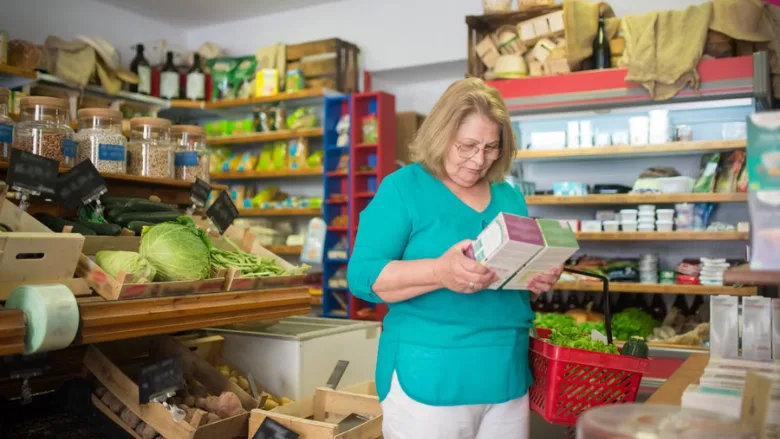
older woman looking at boxed food labels in grocery store
Image credit: Kampus Production via Pexels
July 1, 2026

In October 2024, California signed into law first-of-its-kind legislation standardizing “Best By” dates and prohibiting the use of “Sell By” dates on food labels, marking the country’s first mandatory food date labeling reforms.

On July 1, 2026, that law, Assembly Bill 660 (AB 660), takes effect.

Starting today, companies selling packaged foods in California must include food safety dates (i.e., when the item should be consumed or frozen to ensure the product is safe to eat) and quality dates (i.e., when the food’s organoleptic properties may begin to deteriorate) on product labels using only the following terminology:

  • “Best If Used By” or “Best if Used Frozen By” to indicate the date by which a product will reach its peak quality. For smaller packages, the abbreviation “BB” may be used.
  • “Use By” or “Use By or Freeze By” to indicate the date by which a product’s safety can no longer be guaranteed. For smaller packages, the abbreviation “UB” may be used.

Importantly, the use of consumer-facing “Sell By” dates will be prohibited to reduce the chances of consumers confusing “Sell By” dates with quality or safety dates. The use of any other ambiguous and inconsistent phrases like “Expires On” and “Freshest By” is also now prohibited.

Additionally, AB 660 authorizes grocers to display “Packed On” labels on prepared food items, but they must also display the mandatory “Use By” or “Best If Used By” dates described in the legislation.

Retained in the bill is the requirement limiting refrigerated shelf life to no more than 30 calendar days from packaging to consumption, except the time the product is maintained frozen, or the original safety date—whichever occurs first.

All products manufactured on or after July 1, 2026 must carry AB 660-compliant labels.

Looking for quick answers on food safety topics?
Try Ask FSM, our new smart AI search tool.
Ask FSM →


KEYWORDS: California labeling use-by date

Share This Story

Baileehendersonmay23

Bailee Henderson is the Director of Content Strategy for Food Safety Magazine. In the day-to-day, she covers industry-relevant current events, regulatory affairs, and scientific developments. She also produces the Food Safety Five Newsreel and edits the twice-weekly Food Safety Digest newsletter. Notably, Bailee's coverage for Food Safety Magazine has been featured in national televised news segments including CBS Sunday Morning and MSNBC's Rachel Maddow Show. She can be reached at hendersonb@bnpmedia.com.

Recommended Content

JOIN TODAY
to unlock your recommendations.

Already have an account? Sign In

  • people holding baby chicks

    Serovar Differences Matter: Utility of Deep Serotyping in Broiler Production and Processing

    This article discusses the significance of Salmonella in...
    Microbiological Control
    By: Nikki Shariat Ph.D.
  • woman washing hands

    Building a Culture of Hygiene in the Food Processing Plant

    Everyone entering a food processing facility needs to...
    Food Prep/Handling
    By: Richard F. Stier, M.S.
  • graphical representation of earth over dirt

    Climate Change and Emerging Risks to Food Safety: Building Climate Resilience

    This article examines the multifaceted threats to food...
    Best Practices
    By: Maria Cristina Tirado Ph.D., D.V.M. and Shamini Albert Raj M.A.
Manage My Account
  • eMagazine Subscription
  • Subscribe to Newsletters
  • Manage My Preferences
  • Website Registration
  • Subscription Customer Service

More Videos

Sponsored Content

Sponsored Content is a special paid section where industry companies provide high quality, objective, non-commercial content around topics of interest to the Food Safety Magazine audience. All Sponsored Content is supplied by the advertising company and any opinions expressed in this article are those of the author and not necessarily reflect the views of Food Safety Magazine or its parent company, BNP Media. Interested in participating in our Sponsored Content section? Contact your local rep!

close
  • Man In Warehouse
    Sponsored byRentokil

    Mitigating Hidden Rodent Risks in Food Facilities

  • an industrial manufacturing or processing facility
    Sponsored bybioMérieux

    Get Ahead of Spoilage in Food Manufacturing with Metagenomics for Preventive Monitoring

  • an automated industrial production line used in a modern food factory
    Sponsored byIFC

    A Formula for Food Processing Pest Management

Popular Stories

assortment of processed food- chips candy cookies soda fries ketchup

Regulatory Updates: GRAS Proposed Rule Clears OMB Review; FDA Sends UPF Whitepaper to OIRA

wheat grain and bread

Bill Introduced to Amend FD&C Act to Require Gluten Labeling for Barley, Rye, Oats

pharmaceuticals on a plate with a fork and knife

What if We Treated Food Like Medicine? Bringing Pharmacovigilance Thinking to Food Safety in the Age of AI

building a skilled workforce ebook

Events

August 11, 2026

Beyond Sanitization: Reducing Contamination Risk Without Raising Operating Cost

Live: August 11, 2026 at 2:00 pm EDT: Attend this webinar to learn why ambient air is the largest and most overlooked contamination zone in food processing, and what it costs you between scheduled cleans.

August 25, 2026

Don’t Wing It: Bird Control for Food Processing Facilities

Live: August 25, 2026 at 2:00 pm EDT: This webinar will cover why managing bird activity should be a priority for your business, the complexities involved in effective bird control, and proactive strategies to help protect your facility.

September 1, 2026

Seafood Under the Microscope: FDA HACCP, Pathogen Risk, and Modern Testing Strategies

Live: September 1, 2026 at 2:00 pm EDT: Attend this webinar to learn how environmental monitoring, rapid pathogen detection, and risk-based testing strengthen seafood safety programs.

View All

Products

Global Food Safety Microbial Interventions and Molecular Advancements

Global Food Safety Microbial Interventions and Molecular Advancements

See More Products

Related Articles

  • person reading label on jar of food in grocery store

    California Passes First-of-its-Kind Legislation Standardizing 'Best By' Dates on Food; Bans 'Sell By'

    See More
  • naturally colored cupcakes with sprinkles

    Natural vs. Artificial Ingredients in Baking: What Food Manufacturers and Consumers Need to Know

    See More
  • sesame seeds

    The FASTER Act: What Companies Need to Know about the New Food Allergy Law

    See More

Related Products

See More Products
  • 9781138198463.jpg

    Food Safety Management Programs: Applications, Best Practices, and Compliance

  • 9781138070912.jpg

    Trends in Food Safety and Protection

  • 1119237963.jpg

    Food Safety in China: Science, Technology, Management and Regulation

See More Products

Events

View AllSubmit An Event
  • March 31, 2026

    Regulatory Risk, Ingredient Safety, and GRAS: What Companies Need to Act on Now

    On Demand: From this webinar, attendees will recognize patterns in food policy affecting dietary guidelines, UPFs, state legislative actions, and expected GRAS reform.
View AllSubmit An Event

Related Directories

  • Food Radar Systems in Sweden AB

    Food Radar Systems, based in Sweden, develops microwave technology that detects and rejects low-density foreign bodies in pumpable food products, helping food manufacturers improve safety, protect consumers, and strengthen quality assurance in modern production environments.
  • LMI Packaging

    LMI Packaging has been manufacturing and supplying custom flexible packaging for diverse industries for over 50yrs. Our dedication to hand-tailored solutions is driven by our mission to offer a one-stop-shop approach to our clients. Using a combination of techniques, exceptional materials and processes, and stringent QA standards, LMI sets the gold standard for packaging solutions.
×

Never miss the latest news and trends driving the food safety industry

Newsletters | Website | eMagazine

JOIN TODAY!
  • RESOURCES
    • Advertise
    • Contact Us
    • Directories
    • Store
    • Want More
  • SIGN UP TODAY
    • Create Account
    • eMagazine
    • Newsletters
    • Customer Service
    • Manage Preferences
  • SERVICES
    • Marketing Services
    • Reprints
    • Market Research
    • List Rental
    • Survey/Respondent Access
  • STAY CONNECTED
    • LinkedIn
    • Facebook
    • Instagram
    • X (Twitter)
  • PRIVACY
    • PRIVACY POLICY
    • TERMS & CONDITIONS
    • DO NOT SELL MY PERSONAL INFORMATION
    • PRIVACY REQUEST
    • ACCESSIBILITY

Copyright ©2026. All Rights Reserved BNP Media, Inc. and BNP Media II, LLC.

Design, CMS, Hosting & Web Development :: ePublishing