Researchers Discover Mechanism of Biofilm Formation with Potential for Intervention in Food Production
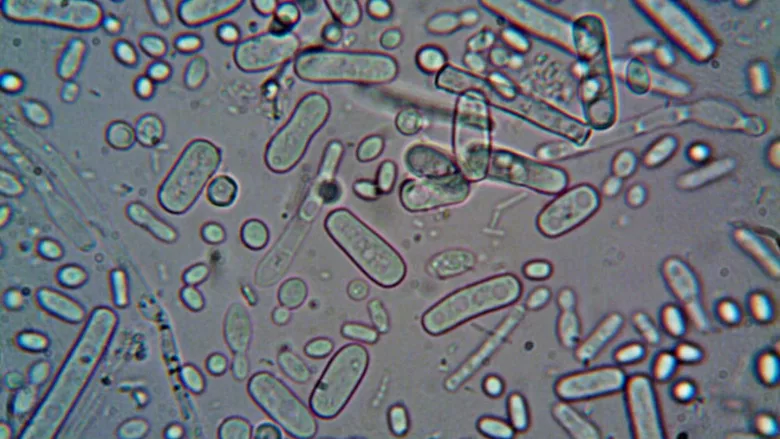
Researchers from the University of Malaga, in collaboration with the University of Bordeaux and the French National Centre for Scientific Research (CNRS), have identified a previously unknown mechanism that enables Bacillus cereus to build protective biofilms, potentially revealing new targets for controlling biofilms in food production environments.
The findings, published in Science Advances, describe a regulated, sortase-independent system that controls the assembly of extracellular filaments forming the biofilm matrix. (Sortase is defined as a specific protein that mediates the anchoring of surface proteins to the peptidoglycan layer of cell walls in Gram-positive bacteria).
The study identified three proteins, CapP, TasA, and CalY, that coordinate filament assembly during the formation of extracellular matrices—a defining feature of bacterial multicellularity, enabling surface colonization, collective behavior, and resilience in diverse environments. Researchers found that CapP functions as a chaperone-like protein that regulates the formation of ordered filament structures while preventing uncontrolled aggregation. Disrupting this pathway impaired normal biofilm formation.
The researchers also reported that B. cereus compensates when this filament assembly system is disrupted by altering other components of its extracellular matrix, including increased exopolysaccharide production, extracellular DNA release, and changes in flagellar regulation. They said these compensatory responses demonstrate an unexpected degree of "matrix plasticity" that may help explain why biofilms are difficult to eradicate.
According to the study authors, the findings reveal a previously unknown mechanism of extracellular matrix biogenesis in Gram-positive bacteria and suggest that biofilm plasticity may represent a broader adaptive strategy among bacterial species.
Looking for quick answers on food safety topics?
Try Ask FSM, our new smart AI search tool.
Ask FSM →