Food Safety
search
Ask Food Safety AI
cart
facebook twitter linkedin instagram youtube
  • Sign In
  • Create Account
  • Sign Out
  • My Account
Food Safety
  • NEWS
    • Latest News
    • White Papers
  • PRODUCTS
  • TOPICS
    • Contamination Control
    • Food Types
    • Management
    • Process Control
    • Regulatory
    • Sanitation
    • Supply Chain
    • Testing and Analysis
  • PODCAST
  • EXCLUSIVES
    • Food Safety Five Newsreel
    • eBooks
    • FSM Distinguished Service Award
    • Interactive Product Spotlights
    • Videos
  • BUYER'S GUIDE
  • MORE
    • NEWSLETTERS >
      • Archive Issues
      • Subscribe to eNews
    • Store
    • Sponsor Insights
    • ASK FSM AI
  • WEBINARS
  • FOOD SAFETY SUMMIT
  • EMAG
    • eMagazine
    • Archive Issues
    • Editorial Advisory Board
    • Contact
    • Advertise
  • SIGN UP!
NewsFood TypeRegulatorySupply ChainSeafoodInternational Standards/HarmonizationImports/Exports

EU Changes Certifications for U.S. Mollusk Imports, Increases Checks for Other High-Risk Foods
By Bailee Henderson
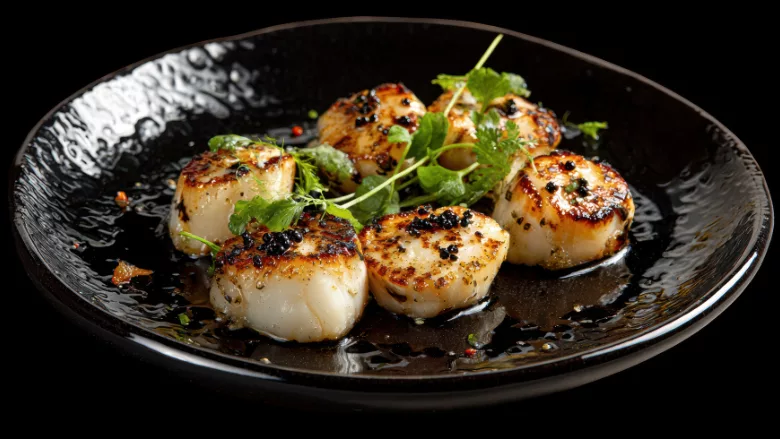
pan seared scallops
Image credit: muhammad.abdullah via Magnific
June 15, 2026

The EU has implemented increased checks on certain food imports at the border, and has also introduced new certificate requirements for shipments of mollusks and other aquaculture products from the U.S.

Certification Requirements for U.S. Mollusks

The European Commission has updated the requirements for imports of mollusks from the U.S. in light of restrictions on the use of certain antimicrobial drugs in food animals exported to the EU, as outlined in Regulation (EU) 2019/6 and Delegated Regulation (EU) 2023/905.

U.S. firms exporting bivalve mollusks (e.g., oysters, clams, mussels, and scallops), echinoderms (e.g., sea urchins), tunicates (e.g., sea squirts), and marine gastropods (e.g., sea snails) should be aware of new certificate requirements, which must now include an attestation that:

  • Aquaculture animals used to produce the products were not given antimicrobials for growth promotion or yield increase
  • Animals were not treated with antimicrobial drugs that the EU has reserved for human medicine
  • The products originate from approved countries or regions that meet the EU's requirements.

A transition period allows for the old certificate format to be used through December 3, 2026, if they were issued prior to September 2, 2026.

Increased Border Checks for High-Risk Food Commodities

The European Commission has also updated the list of imported foods that are subject to temporary increases in official controls upon their entry into the EU. This list is updated every six months based on Rapid Alert System for Food and Feed (RASFF) notifications, border inspection results, and Member State testing data.

Key changes include:

  • Groundnuts/peanuts and groundnut products from Argentina have been added to the list and will be subjected to a 20 percent frequency of identity and physical checks, due to aflatoxin concerns
  • Checks on aubergines/eggplants from Burkina Faso due to pesticide residues increased to 30 percent
  • Checks on sugar apples from Egypt due to pesticide residues increased to 30 percent
  • Checks on cumin seeds from India due to pesticide residues increased to 50 percent
  • Checks on Yardlong beans from Sri Lanka due to pesticide residues increased to 50 percent
  • Checks on tahini and halva made from sesame seeds from Syria due to Salmonella concerns increased to 50 percent
  • Cinnamon and cinnamon tree flowers from India are no longer subject to special import conditions due to ethylene oxide (i.e., requiring official certificates stating sampling and analysis show compliance with EU limits), but will still be subject to checks at 20 percent frequency
  • Checks on xanthan gum from China due to ethylene oxide reduced from 20 percent to 10 percent
  • Checks on nutmeg from Indonesia due to aflatoxins reduced from 50 percent to 30 percent.

Looking for quick answers on food safety topics?
Try Ask FSM, our new smart AI search tool.
Ask FSM →


KEYWORDS: EU Europe

Share This Story

Baileehendersonmay23

Bailee Henderson is the Digital Editor of Food Safety Magazine, where she covers industry-relevant current events, regulatory affairs, and scientific developments. She also produces the Food Safety Five Newsreel. Notably, Bailee's coverage for Food Safety Magazine has been featured in national televised news segments including CBS Sunday Morning and MSNBC's Rachel Maddow Show. She can be reached at hendersonb@bnpmedia.com.

Recommended Content

JOIN TODAY
to unlock your recommendations.

Already have an account? Sign In

  • people holding baby chicks

    Serovar Differences Matter: Utility of Deep Serotyping in Broiler Production and Processing

    This article discusses the significance of Salmonella in...
    Microbiological Control
    By: Nikki Shariat Ph.D.
  • woman washing hands

    Building a Culture of Hygiene in the Food Processing Plant

    Everyone entering a food processing facility needs to...
    Food Prep/Handling
    By: Richard F. Stier, M.S.
  • graphical representation of earth over dirt

    Climate Change and Emerging Risks to Food Safety: Building Climate Resilience

    This article examines the multifaceted threats to food...
    International
    By: Maria Cristina Tirado Ph.D., D.V.M. and Shamini Albert Raj M.A.
Manage My Account
  • eMagazine Subscription
  • Subscribe to Newsletters
  • Manage My Preferences
  • Website Registration
  • Subscription Customer Service

More Videos

Sponsored Content

Sponsored Content is a special paid section where industry companies provide high quality, objective, non-commercial content around topics of interest to the Food Safety Magazine audience. All Sponsored Content is supplied by the advertising company and any opinions expressed in this article are those of the author and not necessarily reflect the views of Food Safety Magazine or its parent company, BNP Media. Interested in participating in our Sponsored Content section? Contact your local rep!

close
  • NEVIFIT 3 Compartment BPA-FREE
    Sponsored byCorbion

    The Risks of Ready-to-Eat: Five Ways to Protect Today's Prepared Meals

  • a group of workers in a food production facility
    Sponsored bySkillUp by Registrar Corp

    How to Build a Better Training Program: Data and Insights from the Global Food Safety Training Survey

  • the use of dual-energy X-ray food inspection technology to identify foreign contaminants.
    Sponsored byEagle by METTLER TOLEDO

    Precision Inspection Starts with the Right X-ray Detector

Popular Stories

FSM podcast

Ep. 219: World Food Safety Day 2026

diverse group of people wearing protective clothing in food production plant

EU Member States Report Challenges in Implementing Food Safety Culture Official Controls

logistics managers in warehouse talking looking at tablet

FDA Traceability Rule Readiness Exercises Reveal Supply Chain Coordination Matters More than Technology

Events

June 16, 2026

Sustainable Food Contact Materials: Where Regulation Meets Analytical Testing

Live: June 16, 2026 at 11:00 am EDT: This webinar explores how sustainability regulations are changing food contact material requirements, including packaging compliance, unintended substances, and per- and polyfluoroalkyl substances.

June 17, 2026

Living HACCP: Practical Steps for Implementation

Live: June 17, 2026, at 12:00 pm EDT: From this webinar, attendees will understand how social norms shape the way hazards are understood, how decisions are made, and how well risks are understood and acted on across companies.

June 25, 2026

Rethinking Food Safety: Eliminating Biofilm and Building a Smarter Food Safety System

Live: June 25, 2026 at 2:00 pm EDT: Join this webinar to explore a modern approach to decontamination that goes beyond surface-level cleaning to combat biofilm and persistent pathogens.

View All

Products

Global Food Safety Microbial Interventions and Molecular Advancements

Global Food Safety Microbial Interventions and Molecular Advancements

See More Products

Related Articles

  • cargo ship entering port

    Proposed Changes to Increased Controls for High-Risk Foods Imported Into UK

    See More
  • FDA to Extend Comment Period for Proposed Rules on Intentional Adulteration, High-Risk Foods

    See More
  • FDA Posts Draft Methodological Approach to Identifying High-Risk Foods under FSMA

    See More

Related Products

See More Products
  • 1118396308.jpg

    High Throughput Analysis for Food Safety

  • 1119160553.jpg

    Food Safety: Innovative Analytical Tools for Safety Assessment

  • 1119053595.jpg

    Food Safety for the 21st Century: Managing HACCP and Food Safety throughout the Global Supply Chain, 2E

See More Products

Events

View AllSubmit An Event
  • May 28, 2026

    Advanced Sanitation Strategies for Allergen Risk Reduction in Food Processing

    On Demand: From this webinar, attendees will learn why validation and verification are necessary for allergen control, and how analytical tools can support allergen management programs.
View AllSubmit An Event
×

Never miss the latest news and trends driving the food safety industry

Newsletters | Website | eMagazine

JOIN TODAY!
  • RESOURCES
    • Advertise
    • Contact Us
    • Directories
    • Store
    • Want More
  • SIGN UP TODAY
    • Create Account
    • eMagazine
    • Newsletters
    • Customer Service
    • Manage Preferences
  • SERVICES
    • Marketing Services
    • Reprints
    • Market Research
    • List Rental
    • Survey/Respondent Access
  • STAY CONNECTED
    • LinkedIn
    • Facebook
    • Instagram
    • X (Twitter)
  • PRIVACY
    • PRIVACY POLICY
    • TERMS & CONDITIONS
    • DO NOT SELL MY PERSONAL INFORMATION
    • PRIVACY REQUEST
    • ACCESSIBILITY

Copyright ©2026. All Rights Reserved BNP Media, Inc. and BNP Media II, LLC.

Design, CMS, Hosting & Web Development :: ePublishing