Study Suggests Sweetener May Contribute to Liver Disease

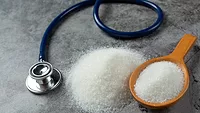
A new study suggests that sorbitol, a sugar alcohol commonly used as a low-calorie sweetener, may contribute to the development of metabolic dysfunction–associated steatotic liver disease (MASLD) under certain conditions, and that sugar alcohols may not be harmlessly expelled from the body without consequences.
Sorbitol is widely used in sugar-free candies, chewing gum, protein bars, and other reduced-sugar foods. It also occurs naturally in some fruits and vegetables, including stone fruits.
MASLD, formerly known as nonalcoholic fatty liver disease, is associated with obesity, diabetes, and metabolic dysfunction. Previous studies have shown that fructose is a key contributor to the development of steatotic liver disease (“fatty” liver disease), which affects approximately 30 percent of adults worldwide.
Sorbitol is ‘One Transformation Away from Fructose’
Now, researchers at Washington University in St. Louis (WashU) have found that sorbitol can be converted into fructose in the liver when gut bacteria capable of degrading the compound are absent or overwhelmed. The findings, published in Science Signaling, challenge assumptions that sugar alcohols are metabolically inert alternatives to traditional sugars.
The researchers used zebrafish models to investigate how dietary glucose and sorbitol are processed in the body. Intestinal cells were observed converting dietary glucose into sorbitol, which gut microbiota normally degraded before it reached the liver. However, when gut microbiota were depleted, sorbitol accumulated and was transported to the liver, where it was converted into fructose 1-phosphate. That process increased glycolytic activity (when cells break down sugar for energy) and led to fat accumulation in the liver, characteristic of steatotic liver disease.
The researchers also found that administering high concentrations of sorbitol directly induced hepatic steatosis (which is the accumulation of excess fat in the liver) in zebrafish. Reintroducing sorbitol-degrading Aeromonas bacterial strains into the gut reduced these effects.
Gary Patti, Ph.D., Michael and Tana Powell Professor of Chemistry at WashU and senior author of the study, said the findings demonstrate that sorbitol is “one transformation away from fructose,” which has previously been linked to liver dysfunction and metabolic disease.
Looking for quick answers on food safety topics?
Try Ask FSM, our new smart AI search tool.
Ask FSM →
Gut Bacteria Play Defense, But Can Get Overwhelmed
The study further suggested that gut bacteria may protect against sorbitol-induced liver damage by metabolizing sorbitol into harmless byproducts before it reaches the liver. However, excessive dietary intake of sorbitol or elevated glucose consumption may overwhelm this protective mechanism.
The researchers noted that while modest amounts of sorbitol are generally managed effectively by the gut microbiome, higher levels may increase the risk of MASLD development, particularly in individuals with disrupted gut microbial populations.
The authors concluded that additional research is needed to better understand how gut bacteria regulate sorbitol metabolism and whether similar mechanisms occur in humans.