Food Safety
search
Ask Food Safety AI
cart
facebook twitter linkedin instagram youtube
  • Sign In
  • Create Account
  • Sign Out
  • My Account
Food Safety
  • NEWS
    • Latest News
    • White Papers
  • PRODUCTS
  • TOPICS
    • Contamination Control
    • Food Types
    • Management
    • Process Control
    • Regulatory
    • Sanitation
    • Supply Chain
    • Testing and Analysis
  • PODCAST
  • EXCLUSIVES
    • Food Safety Five Newsreel
    • eBooks
    • FSM Distinguished Service Award
    • Interactive Product Spotlights
    • Videos
  • BUYER'S GUIDE
  • MORE
    • NEWSLETTERS >
      • Archive Issues
      • Subscribe to eNews
    • Store
    • Sponsor Insights
    • ASK FSM AI
  • WEBINARS
  • FOOD SAFETY SUMMIT
  • EMAG
    • eMagazine
    • Archive Issues
    • Editorial Advisory Board
    • Contact
    • Advertise
  • SIGN UP!
NewsContamination ControlTesting & AnalysisMicrobiological ControlMicrobiological Testing & Analysis

Abundant Drug Resistance Genes in Retail Foods Pose ‘Significant Public Health Concern,’ Researchers Find
By Food Safety Magazine Editorial Team
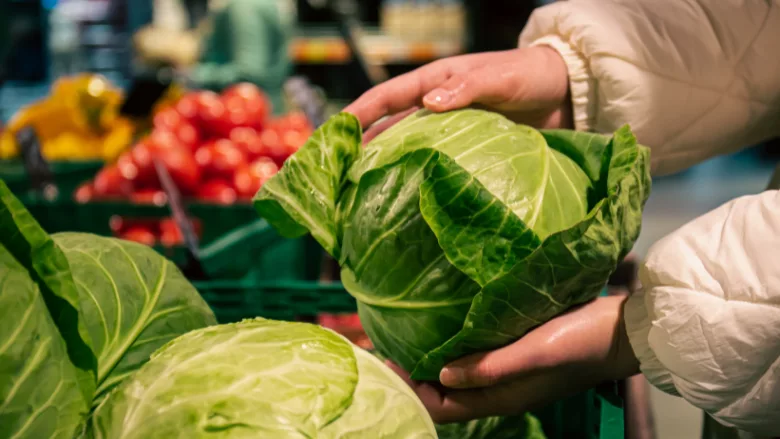
person choosing cabbage in grocery store
Image credit: pvproductions via Freepik
April 8, 2026

A recent study has identified a high abundance and diversity of antibiotic resistance genes (ARGs) in commonly consumed retail foods, underscoring what researchers described as “a significant public health concern” related to the transmission of foodborne pathogens.

Published in LWT, the study was conducted by researchers at the University of Tennessee, Knoxville, the U.S Food and Drug Administration (FDA), and the University of Illinois Urbana–Champaign.

The researchers analyzed retail cabbage, lettuce, chicken legs, and deli meats collected from low- and high-socioeconomic status neighborhoods in Memphis, Tennessee, using shallow whole-metagenome shotgun sequencing (sWMS) and quantitative polymerase chain reaction PCR (qPCR). Across all samples, researchers detected a diverse array of ARGs representing various antibiotic classes, with multidrug resistance identified as the dominant ARG class.

All food samples contained potential pathogen-associated ARGs. Chicken legs from stores in high-income areas exhibited the highest ARG abundance, followed by deli meats from high-income stores. However, ARG richness and evenness did not differ significantly among sample groups.

Deli Meats and Produce Identified as Higher-Risk Categories

Emerging ARG analysis identified deli meats as high-risk regardless of store type. Researchers detected several genes associated with methicillin-resistant Staphylococcus aureus (MRSA). The abundance of Staphylococcus aureus was also reported to be high in these samples.

The study also found that cabbage and chicken from high-income stores carried the highest abundance of ARGs classified as Risk Group I, defined as mobile ARGs directly associated with human pathogens. According to the researchers, the occurrence of ARGs in cabbage and chicken collected from high-income stores may increase potential health risks.

Although poultry is a recognized reservoir of antibiotic-resistant bacteria (ARB), the authors noted that the risk of ARB can be lowered if animal products are adequately prepared and cooked. In contrast, ready-to-eat (RTE) deli meats and produce are mostly consumed without any further processing or cooking, increasing ARB exposure risks.

Looking for quick answers on food safety topics?
Try Ask FSM, our new smart AI search tool.
Ask FSM →

Factors Influencing ARG Distribution

The researchers reported that differences in ARG abundance between foods from low-income and high-income stores were not statistically significant, although some variation was observed. They attributed these differences to factors including agricultural practices, antibiotic use, storage conditions, sanitation practices, and environmental conditions such as temperature and humidity.

Additionally, the researchers explained that soil acts as a major reservoir of ARGs, and that antibiotic residues in agricultural environments may promote the transfer of resistance genes from non-pathogenic to pathogenic bacteria.

Strong Correlation Between ARGs and Pathogens

Network analysis revealed “a robust positive correlation” between ARGs and bacterial genera, including Pseudomonas, Enterobacter, Enterococcus, Serratia, Pantoea, and Weissella. The presence of these bacteria, which are known reservoirs of ARGs, may contribute to the persistence and spread of antimicrobial resistance (AMR) in the food supply.

The researchers also reported a statistically significant correlation between ARGs and microbial community composition, suggesting that environmental and handling conditions may influence ARG prevalence.

Implications for Industry

The study concluded that the presence of ARGs and associated pathogens in food poses a significant public health concern, and that retail foods may act as vehicles for the transmission of ARGs through ARB.

The authors emphasized that integrating metagenomic sequencing with qPCR improves detection accuracy and provides a more comprehensive assessment of ARG profiles. They suggested that this combined approach could support AMR surveillance and inform targeted interventions to reduce risks across the food supply chain.


KEYWORDS: AMR metagenomics PCR study

Share This Story

Fsm purple logo 200x200

The Food Safety Magazine editorial team comprises Bailee Henderson, Digital Editor ✉ and Adrienne Blume, M.A., Editorial Director.

Recommended Content

JOIN TODAY
to unlock your recommendations.

Already have an account? Sign In

  • people holding baby chicks

    Serovar Differences Matter: Utility of Deep Serotyping in Broiler Production and Processing

    This article discusses the significance of Salmonella in...
    Contamination Control
    By: Nikki Shariat Ph.D.
  • woman washing hands

    Building a Culture of Hygiene in the Food Processing Plant

    Everyone entering a food processing facility needs to...
    Sanitation
    By: Richard F. Stier, M.S.
  • graphical representation of earth over dirt

    Climate Change and Emerging Risks to Food Safety: Building Climate Resilience

    This article examines the multifaceted threats to food...
    Risk Assessment
    By: Maria Cristina Tirado Ph.D., D.V.M. and Shamini Albert Raj M.A.
Manage My Account
  • eMagazine Subscription
  • Subscribe to Newsletters
  • Manage My Preferences
  • Website Registration
  • Subscription Customer Service

More Videos

Sponsored Content

Sponsored Content is a special paid section where industry companies provide high quality, objective, non-commercial content around topics of interest to the Food Safety Magazine audience. All Sponsored Content is supplied by the advertising company and any opinions expressed in this article are those of the author and not necessarily reflect the views of Food Safety Magazine or its parent company, BNP Media. Interested in participating in our Sponsored Content section? Contact your local rep!

close
  • This image depicts a healthcare professional managing a large volume of paperwork and transitioning to a digital workflow.
    Sponsored bySafetyChain

    The Invisible Plant Tax Starts with Your Records

  • Salmon on rice cracker
    Sponsored byThermoFisher

    Food Microbiology Testing Methods: Listeria species

  • The image displays a person selecting packaged fresh chicken meat from a supermarket display cooler.
    Sponsored byCorbion

    Developing a Future-Proof Food Safety Strategy for Meat and Poultry Products

Popular Stories

chocolate hazelnut spread on toast

40 Sick, One Dead in German Salmonella Outbreak Involving Chocolate-Hazelnut Spread

cheddar cheese wedge on a fork

FDA Finds E. coli in Raw Farm Cheese Matching a Second Outbreak

cotton swab going into tube

Study Shows Poor Recovery of Listeria Using Cotton Swabs for Environmental Monitoring


Events

May 6, 2026

Allergen Uncertainty: Risk Assessment, Reference Doses, and Codex Management Guidance

Live: May 6, 2026 at 2:00 pm EDT: Attendees will gain insight into the importance of preparing for the industry's shift from detection-based methods to risk-based allergen management.

May 11, 2026

The Food Safety Summit

Stay informed on the latest food safety trends, innovations, emerging challenges, and expert analysis. Leave the Summit with actionable insights ready to drive measurable improvements in your organization. Do not miss this opportunity to learn from experts about contamination control, food safety culture, regulations, sanitation, supply chain traceability, and so much more.

May 12, 2026

Leveraging AI for Food Safety: From Strategy to Impact

Live Streaming from Food Safety Summit: This dynamic workshop brings together leaders from industry, academia, and government to demonstrate how AI can be practically applied in food safety—from data strategy to daily execution.

View All

Products

Global Food Safety Microbial Interventions and Molecular Advancements

Global Food Safety Microbial Interventions and Molecular Advancements

See More Products

Related Articles

  • raw chicken on display at supermarket

    The Spread of Antibiotic Resistance Genes in Salmonella is a Problem for U.S. Poultry, Study Shows

    See More
  • salami efsa logo

    EFSA: Exposure to Toxic Nitrosamines in Food Raise Public Health Concern

    See More
  • CDC: Antibiotic Resistance in Foodborne Pathogens Remains Public Health Threat

    See More

Related Products

See More Products
  • food-safety-making.jpg

    Food Safety: Making Foods Safe and Free From Pathogens

  • 9781138070912.jpg

    Trends in Food Safety and Protection

  • 1119237963.jpg

    Food Safety in China: Science, Technology, Management and Regulation

See More Products

Related Directories

  • Michigan State University Online Food Safety Program

    MSU's Online Food Safety program strives to educate professionals on how to make global food systems safe. The program consists of a master’s degree and graduate certificate, both entirely online. Each program will provide students with applicable knowledge to navigate the ever-changing concerns surrounding food safety, food protection, and public health.
  • Food Safety News

    Food Safety News advances public health by delivering timely, accurate, and comprehensive coverage of foodborne illness outbreaks, recalls, and regulatory developments that impact the safety of our global food supply.
×

Never miss the latest news and trends driving the food safety industry

Newsletters | Website | eMagazine

JOIN TODAY!
  • RESOURCES
    • Advertise
    • Contact Us
    • Directories
    • Store
    • Want More
  • SIGN UP TODAY
    • Create Account
    • eMagazine
    • Newsletters
    • Customer Service
    • Manage Preferences
  • SERVICES
    • Marketing Services
    • Reprints
    • Market Research
    • List Rental
    • Survey/Respondent Access
  • STAY CONNECTED
    • LinkedIn
    • Facebook
    • Instagram
    • X (Twitter)
  • PRIVACY
    • PRIVACY POLICY
    • TERMS & CONDITIONS
    • DO NOT SELL MY PERSONAL INFORMATION
    • PRIVACY REQUEST
    • ACCESSIBILITY

Copyright ©2026. All Rights Reserved BNP Media, Inc. and BNP Media II, LLC.

Design, CMS, Hosting & Web Development :: ePublishing