Food Innovation: An Introduction to Precision Fermentation
The biotechnology behind precision fermentation is likely to become increasingly important in food manufacturing
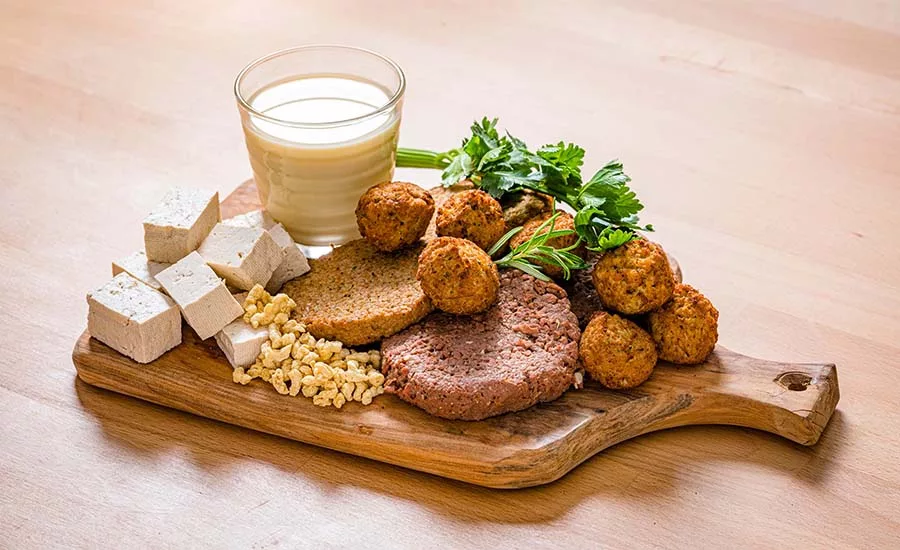
Precision fermentation has the potential to improve food security, promote sustainable food production, and support the food sector as an important driver of economic growth. The biotechnology behind precision fermentation is likely to become progressively visible, and its role in food manufacturing will become increasingly important.
This article considers:
- What does precision fermentation of foods involve?
- How does precision fermentation fit into the wider alternative proteins landscape?
- What are the regulatory challenges associated with the technology?
- How does UK food law affect the production and marketing of these new types of food?
What Does Precision Fermentation of Foods Involve?
In answering this question, it is helpful to think of precision fermentation as being similar to ordinary fermentation—for example, using yeast to brew beer or to prove bread—but with a certain something "extra." The extra (potentially controversial) aspect is the genetic modification (GM) of the yeast or similar microorganism. The modification turns the microorganism into a kind of tiny food factory, so that it begins to busily produce food proteins, such as those found in milk and eggs.
These proteins are chemically identical to those derived from animals but involve no animal use in their production. They can be produced and harvested at scale and used as a "substitute" ingredient in normal commercial food production.
Leaving aside the potentially sensitive use of GM for a moment, it is worth reflecting on what the technology offers: namely, the ability to avoid intensive use of farmed animals, reduced agricultural land use, reduced consumption of animal feed, improved management of disease outbreaks in food-producing animals, and reduced use of antibiotics in the animal-based food chain.
The stinger, of course, is the use of genetic modification. While the use of GM to produce food will always be controversial, the upside is that many of the precision fermentation technologies now in use involve filtering out any trace of GM organisms, such that the food proteins they produce are "clean" and cannot be said to be "genetically modified" themselves. The challenge lies, perhaps, in explaining this complicated process to consumers in a way that gives them confidence in the integrity of the food they are being encouraged to buy and eat.
How Does Precision Fermentation Fit into the Wider Alternative Proteins Landscape?
In addition to precision fermented foods, there is now a wide range of alternative proteins under development and use in the food industry. These include:
- Plant-based meat substitutes: Protein formulations derived from plant material delivering a meat-like sensation when eaten
- Novel protein sources: Proteins not often used for food, such as insects, seaweed, bacteria, and jellyfish
- Cultured meat: In vitro or laboratory-grown meat derived from animal cells.
Regulatory Challenges
The speed with which precision fermentation and other alternative food proteins are developing risks leaving food regulators behind in terms of their understanding of the technology. This, in turn, creates safety risk and/or a potential brake on the speed with which new (and perfectly safe) products can be brought to market.
Aided by a grant from the UK's Department of Science, Innovation, and Technology, the UK's Food Standards Agency has responded to these challenges by launching a new "Innovation Hub." The Hub provides a focus for developing the specialist expertise needed to ensure that new food proteins can be properly safety-assessed. The Hub also aims to provide businesses wishing to obtain approval to market these new foods with an understanding of what the regulator needs from them, so that they can submit quality, complete dossiers and obtain approval quickly.
Looking for quick answers on food safety topics?
Try Ask FSM, our new smart AI search tool.
Ask FSM →
Regulatory challenges go beyond questions of safety. Regulators will examine several other considerations when deciding whether, and on what terms, to authorize the marketing of alternative food proteins, including precision fermented foods. Important among these is food information. It is crucial that consumers are adequately informed about the nature of the food they are eating, and in a position to make choices that reflect their ethical, as well as health-related, concerns and objectives.
The form, nature, and existing requirements for the supply of food information are already complex, and it will be important to ensure that any modifications made to accommodate precision fermented foods do not overload or confuse consumers or prove difficult for businesses to substantiate when needed.
In the UK, at least, responsibility for food information legislation is spread across different government departments. This creates challenges for developing coherent policy positions and for businesses to know whom to engage when seeking to understand the full regulatory requirements.
How Does UK Food Law Affect the Production and Marketing of These New Types of Food?
While the regulator's attention will, perhaps, turn most readily to consideration of how the UK's Novel Foods Regulation and Genetically Modified Food and Feed Regulation apply to precision fermented foods, there may be some doubt about whether the latter applies to precision fermented foods at all. This is because the foods themselves, to all intents and purposes, may prove indistinguishable from their conventional, animal-derived counterparts and contain no GM elements of any kind. While the Genetically Modified Food and Feed Regulation does extend to food produced from or containing ingredients produced from GMOs, this may prove insufficient to bring precision fermented foods into its scope. So far as the Novel Food Regulation is concerned, the position may be a little clearer, given that the regulation extends to "food consisting of, isolated from, or produced from microorganisms, fungi, or algae."
In any event, the precise way in which existing UK food law applies to these biosynthesised proteins remains difficult to predict. Much will depend on which risks emerge and how these risks are most effectively mitigated. It is worth noting that, to the extent that these proteins fall within the ambit of the UK's 14 recognized allergens—egg, milk, fish, etc.—they will need to be treated and labeled with the same care as their conventional allergenic counterparts.
Takeaway
When it comes to rapidly developing technology, artificial intelligence (AI) is not the only game in town. The application of biotechnology in the food sector is gaining pace, creating the risk of leaving the regulatory system in its wake in much the same way as its AI cousin.
It is more important than ever for the UK to focus its regulatory attention on the safety of outputs, not inputs. Trying to constrain rapidly changing technology, especially when that technology can make "more out of less," seems counterproductive in a world trying to conserve diminishing natural resources.