Sponsored Content
Safe, Sweet, and Ready for the Holidays with Megadyne's Power Transmission Belts
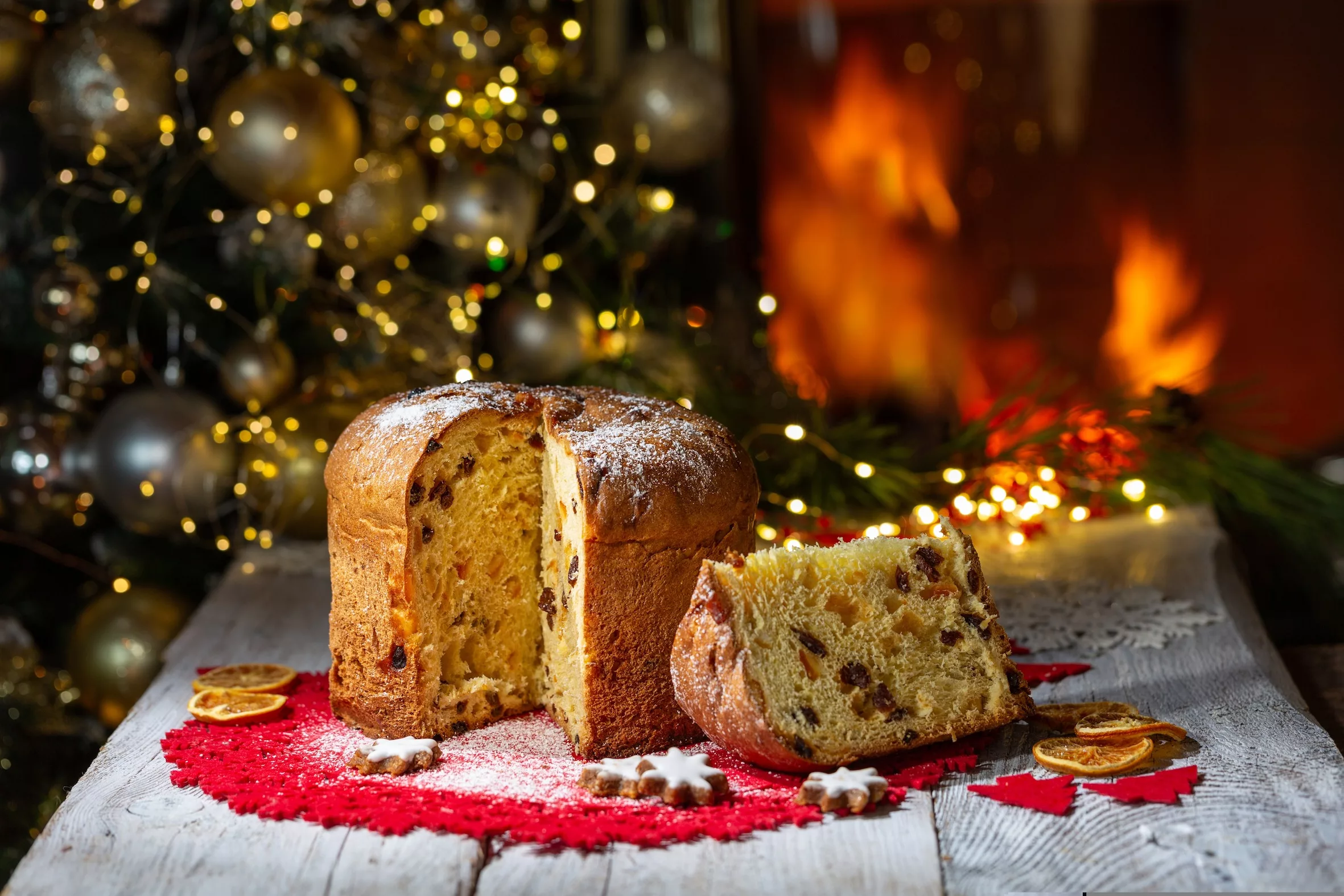
The weather outside may be frightful, but safe bakery production is delightful!
As the winter holidays approach, bakeries worldwide gear up to meet the seasonal rush. From Italy's pandoro and panettone to the Irish Christmas cake, German stollen, Filipino bibingka, and Jewish Hanukkah treats, this is the sweetest—and busiest—time of the year.
But amid the aroma of spices and freshly baked dough, one vital question remains: How safe is the food leaving the line?
Understanding Food Safety in the Bakery Industry
In bakery environments, maintaining hygiene and safety is a constant challenge, especially when production scales up for the festive season. The combination of heat, humidity, and continuous production creates ideal conditions for cross-contamination if equipment is not hygienically designed.
Common hazards include:
- Biological risks: Microbial contamination from bacteria, molds, or yeasts when cleaning or storage conditions fall short.
- Chemical risks: Residues from detergents or sanitizers due to improper dilution or rinsing.
- Physical risks: Fragments of metal, glass, or other foreign objects from equipment wear or poor maintenance.
- Allergen risks: Cross-contact between allergenic and non-allergenic ingredients such as nuts, gluten, eggs, or milk. Inadequate segregation, poor cleaning practices, or incorrect labeling can result in severe allergic reactions in sensitive consumers.
Preventing these hazards is essential not only to protect consumers but also to maintain product quality and brand trust.
Safety Starts with the Right Components
Every part of a bakery's production line, from dough preparation to final packaging, must support contamination control. One often overlooked contributors to hygiene are power transmission belts.
Looking for quick answers on food safety topics?
Try Ask FSM, our new smart AI search tool.
Ask FSM →
Megadyne's food-grade belts (Figure 1) are designed to ensure safety, reliability, and compliance throughout bakery production.
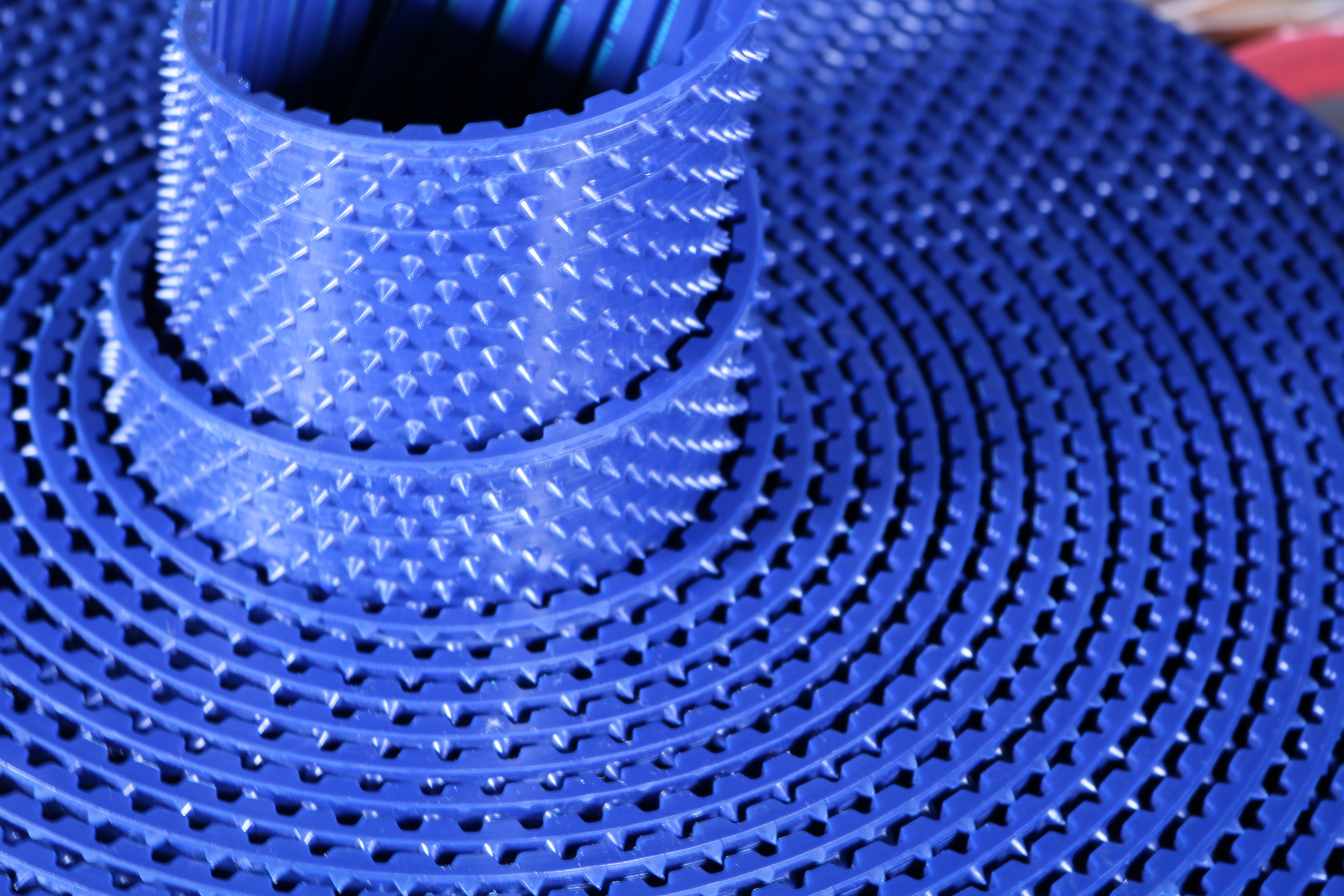
Figure 1. Megadyne's food-grade belts are designed to ensure safety, reliability, and compliance throughout bakery production (Credit: Megadyne)
Key benefits include:
- Compliant materials: Manufactured from FDA- and EU-approved materials, Megadyne belts are nontoxic, non-absorbent, and resistant to microbial growth.
- Hygienic design: Smooth gaps and crevice-free surfaces prevent the accumulation of debris, moisture, and bacteria, making cleaning faster and reducing the risk of cross-contamination and microbial growth in food processing environments. Many MEGALINEAR food contact belts meet NSF standards for food safety.
- Chemical resistance: Built to withstand repeated exposure to cleaning agents and sanitizers while maintaining mechanical integrity, even after repeated cleaning cycles.
- Regulatory compliance: Certified under FDA, CFR Title 21, and EC 1935/2004, EU 10/2011, standards that support ISO 22000 (previously HACCP) requirements, ensuring full food contact approval.
- Full traceability: Each belt is backed by comprehensive traceability records, including material certifications, production batch information, and compliance documentation for total transparency.
Discover the New Megadyne Food Family Guide
As bakeries plan for the most flavorful time of the year, safety and reliability are non-negotiable.
Megadyne's new Food Family Product Guide brings together our complete range of food contact and food processing belts, helping bakery producers choose the right solution for every stage of production.
When it comes to food safety, Megadyne's power transmission solutions are the right choice for safer, cleaner, and more efficient bakery lines.