Senate Confirms Dr. Susan Monarez as CDC Director
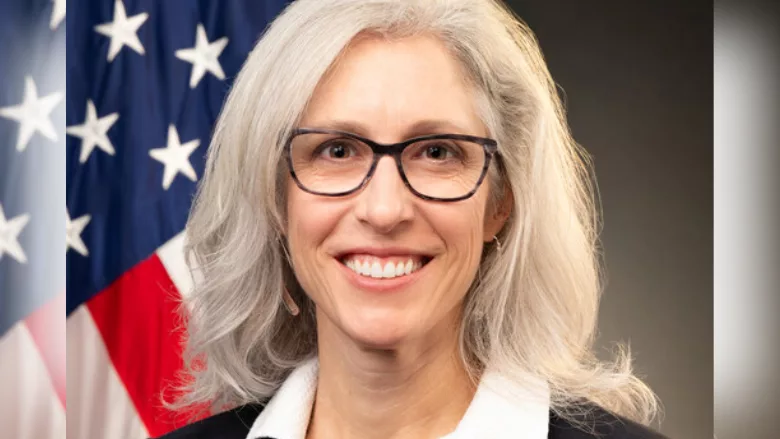
Image credit: CDC
On July 29, 2025, in a 51-47 vote along party lines, the U.S. Senate confirmed Susan Monarez, Ph.D. as the new director of the U.S. Centers for Disease Control and Prevention (CDC).
Dr. Monarez is CDC’s first non-physician Director in more than 70 years, and is also the first CDC director to be confirmed by the Senate under a law passed in 2023 that requires Senate confirmation for the position. She holds a Ph.D. in Microbiology and Immunology from the University of Wisconsin–Madison. Prior to her role at CDC, Dr. Monarez served as the Deputy Director of the U.S. Advanced Research Projects Agency for Health (ARPA-H) since 2023, a funding agency for biomedical and health research.
President Trump nominated Dr. Monarez as CDC Director after withdrawing his previous choice, Dave Weldon, M.D., after it became apparent that he would not be able to secure the votes in Senate required for his confirmation. She stepped down as Acting Director of CDC, a role she assumed in January 2025, once she was nominated for Director.
Dr. Monarez said in a Senate confirmation hearing that her first priority is restoring trust in CDC by holding leadership publicly accountable and relying on science-backed decision-making, per NPR. She also shared her intent to modernize public health infrastructure, and to improve disease outbreak response time and communication.
In her career, Dr. Monarez held positions at the U.S. Department of Homeland Security overseeing research portfolios, as well as in the White House Office of Science and Technology Policy and on the National Security Council, leading efforts to enhance the nation's biomedical innovation capabilities, including combating antimicrobial resistance (AMR), expanding the use of wearables to promote patient health, ensuring personal health data privacy, and improving pandemic preparedness. Per CDC, she has headed initiatives focused on the ethical use of artificial intelligence (AI) and machine learning to support improved health outcomes, novel approaches to addressing affordability and accessibility in healthcare, expanding access to behavioral and mental health interventions, ending the opioid epidemic, addressing health disparities in maternal morbidity and mortality, and improving the country's organ donation and transplantation programs.
Looking for quick answers on food safety topics?
Try Ask FSM, our new smart AI search tool.
Ask FSM →