Food Safety
search
Ask Food Safety AI
cart
facebook twitter linkedin instagram youtube
  • Sign In
  • Create Account
  • Sign Out
  • My Account
Food Safety
  • NEWS
    • Latest News
    • White Papers
  • PRODUCTS
  • TOPICS
    • Contamination Control
    • Food Types
    • Management
    • Process Control
    • Regulatory
    • Sanitation
    • Supply Chain
    • Testing and Analysis
  • PODCAST
  • EXCLUSIVES
    • Food Safety Five Newsreel
    • eBooks
    • FSM Distinguished Service Award
    • Interactive Product Spotlights
    • Videos
  • BUYER'S GUIDE
  • MORE
    • NEWSLETTERS >
      • Archive Issues
      • Subscribe to eNews
    • Store
    • Sponsor Insights
    • ASK FSM AI
  • WEBINARS
  • FOOD SAFETY SUMMIT
  • EMAG
    • eMagazine
    • Archive Issues
    • Editorial Advisory Board
    • Contact
    • Advertise
  • SIGN UP!
News

European Authorities Advising Against Raw Milk Consumption

January 13, 2015

The popularity of raw milk is on the rise as many consumers believe it to be a healthy alternative to pasteurized milk. However, experts from the European Food Safety Authority (EFSA) have concluded that raw milk can be a source harmful bacteria--primarily Campylobacter, followed by Salmonella and Shiga toxin-producing Escherichia coli. The EFSA, along with the Food Safety Authority of Ireland, are warning consumers that raw milk is dangerous and that consumption of it should be avoided.

Of the 27 outbreaks on record in Europe, almost all of them were caused by raw cow’s milk. Only a handful have been linked to raw goat’s milk.

European authorities strongly believe that even following the best hygiene standards may not completely prevent all cases of contamination and foodborne illness. However, following up-to-date standards is still a crucial practice in minimizing the chance that farms distribute contaminated raw milk. Maintaining a strict cold chain process between locations is also important to prevent--or at least slow--the growth of bacteria. According to the EFSA, the best way to kill bacteria in raw milk is to boil it before consumption. Raw milk--also commonly derived from sheep and other animals--is considered “raw” when it has not been heated to more than 40°C nor undergone any treatment with the same effect.


Author(s): Staff

Looking for quick answers on food safety topics?
Try Ask FSM, our new smart AI search tool.
Ask FSM →


Share This Story

Recommended Content

JOIN TODAY
to unlock your recommendations.

Already have an account? Sign In

  • people holding baby chicks

    Serovar Differences Matter: Utility of Deep Serotyping in Broiler Production and Processing

    This article discusses the significance of Salmonella in...
    Meat/Poultry
    By: Nikki Shariat Ph.D.
  • woman washing hands

    Building a Culture of Hygiene in the Food Processing Plant

    Everyone entering a food processing facility needs to...
    Management
    By: Richard F. Stier, M.S.
  • graphical representation of earth over dirt

    Climate Change and Emerging Risks to Food Safety: Building Climate Resilience

    This article examines the multifaceted threats to food...
    Risk Assessment
    By: Maria Cristina Tirado Ph.D., D.V.M. and Shamini Albert Raj M.A.
Manage My Account
  • eMagazine Subscription
  • Subscribe to Newsletters
  • Manage My Preferences
  • Website Registration
  • Subscription Customer Service

More Videos

Sponsored Content

Sponsored Content is a special paid section where industry companies provide high quality, objective, non-commercial content around topics of interest to the Food Safety Magazine audience. All Sponsored Content is supplied by the advertising company and any opinions expressed in this article are those of the author and not necessarily reflect the views of Food Safety Magazine or its parent company, BNP Media. Interested in participating in our Sponsored Content section? Contact your local rep!

close
  • This image depicts a healthcare professional managing a large volume of paperwork and transitioning to a digital workflow.
    Sponsored bySafetyChain

    The Invisible Plant Tax Starts with Your Records

  • Salmon on rice cracker
    Sponsored byThermoFisher

    Food Microbiology Testing Methods: Listeria species

  • The image displays a person selecting packaged fresh chicken meat from a supermarket display cooler.
    Sponsored byCorbion

    Developing a Future-Proof Food Safety Strategy for Meat and Poultry Products

Popular Stories

chocolate hazelnut spread on toast

40 Sick, One Dead in German Salmonella Outbreak Involving Chocolate-Hazelnut Spread

cheddar cheese wedge on a fork

FDA Finds E. coli in Raw Farm Cheese Matching a Second Outbreak

cotton swab going into tube

Study Shows Poor Recovery of Listeria Using Cotton Swabs for Environmental Monitoring


Events

May 6, 2026

Allergen Uncertainty: Risk Assessment, Reference Doses, and Codex Management Guidance

Live: May 6, 2026 at 2:00 pm EDT: Attendees will gain insight into the importance of preparing for the industry's shift from detection-based methods to risk-based allergen management.

May 11, 2026

The Food Safety Summit

Stay informed on the latest food safety trends, innovations, emerging challenges, and expert analysis. Leave the Summit with actionable insights ready to drive measurable improvements in your organization. Do not miss this opportunity to learn from experts about contamination control, food safety culture, regulations, sanitation, supply chain traceability, and so much more.

May 12, 2026

Leveraging AI for Food Safety: From Strategy to Impact

Live Streaming from Food Safety Summit: This dynamic workshop brings together leaders from industry, academia, and government to demonstrate how AI can be practically applied in food safety—from data strategy to daily execution.

View All

Products

Global Food Safety Microbial Interventions and Molecular Advancements

Global Food Safety Microbial Interventions and Molecular Advancements

See More Products

Related Articles

  • brown and white cattle with ear tags

    New WHO Guidance for European Food Safety Authorities on Tackling Foodborne AMR

    See More
  • farmed sheep herd

    UK Authorities Successfully Enforce Action Against Yet Another ‘Smokie’ Food Fraudster

    See More
  • Tennessee Officials Warn of Possible E. coli in Raw Milk from One Farm

    See More

Related Products

See More Products
  • 9781498721776.jpg

    Handbook of Food Processing: Food Safety, Quality, and Manufacturing Processes

  • 1119160553.jpg

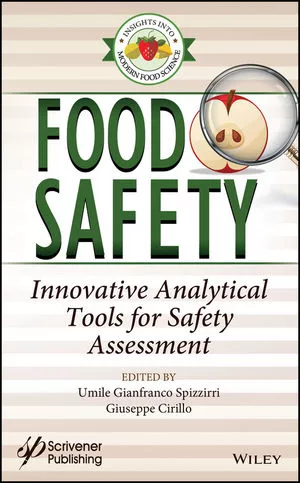
    Food Safety: Innovative Analytical Tools for Safety Assessment

  • 0813808774.jpg

    Improving Import Food Safety

See More Products

Related Directories

  • Page & Pedersen International Ltd.

    P&P makes reliable analytical instruments for food safety and quality testing. Also supplying certiified calibration standards for milk composition analyzers and cryoscopes. LactiWhey for rapid fat & protein results, LactiCheck Analyzers test for fat, protein, solids, lactose (raw and processed milk) (Freezing-Point Cryoscopes) to tesy extraneous water in milk, moisture levels in cheese/yogurt (Halogen Infrared Moisture Analyzer) or see Somatic Cell Counts (automated image cytometry).
×

Never miss the latest news and trends driving the food safety industry

Newsletters | Website | eMagazine

JOIN TODAY!
  • RESOURCES
    • Advertise
    • Contact Us
    • Directories
    • Store
    • Want More
  • SIGN UP TODAY
    • Create Account
    • eMagazine
    • Newsletters
    • Customer Service
    • Manage Preferences
  • SERVICES
    • Marketing Services
    • Reprints
    • Market Research
    • List Rental
    • Survey/Respondent Access
  • STAY CONNECTED
    • LinkedIn
    • Facebook
    • Instagram
    • X (Twitter)
  • PRIVACY
    • PRIVACY POLICY
    • TERMS & CONDITIONS
    • DO NOT SELL MY PERSONAL INFORMATION
    • PRIVACY REQUEST
    • ACCESSIBILITY

Copyright ©2026. All Rights Reserved BNP Media, Inc. and BNP Media II, LLC.

Design, CMS, Hosting & Web Development :: ePublishing