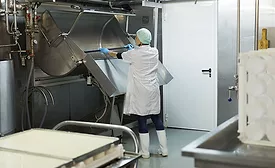
The Sanitation Controls Practitioner Program empowers food producers to refine their sanitation practices to withstand even the strictest audits and inspections
Drawing on extensive research, industry conversations, and insights from focus groups and job task analysis, the Sanitation Controls Practitioner Program (SCPP) identifies critical job tasks related to sanitation. This article, inspired by the SCPP's comprehensive approach, will delve into the three pillars of an effective sanitation program: cleaning, monitoring and verification, and sanitizing.
Microbial issues can be a serious problem. From recalls to reputational damage, the more you know, the more prepared you will be. Get the expert knowledge you need from IFC.
Mold can cause serious issues. From reputational damage to audit failures, the more you know the more prepared you will be. Get all the expert knowledge you need from IFC.
General cleaning/sanitizing elements of Standard Operating Procedures (SOPs) should not be integrated into the "regulatory" requirements of Sanitation SOPs (SSOPs), but should be maintained as a separate plant operational set of documents. To further explain this the rationale for keeping these separate, this article reviews SSOPs to define their requirements and how these differ from general SOPs.
EvaClean has developed its Avian Influenza Mitigation (AIM) initiative to provide poultry producers with enhanced decontamination processes and a safer, more affordable disinfection solution.
According to industry estimates, at least one-third of food recalls in North America may directly be related to sanitation, hygiene and material handling issues in food facilities. On an associative note, the CDC lists unsanitary equipment and surfaces as one of the top five contributing factors of foodborne illness outbreaks.