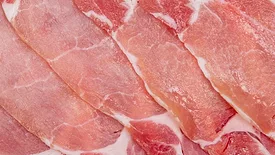
Nitrite has several functional purposes in meat, including the formation and conservation of a stable red color and the inhibition of growth of C. botulinum
This article discusses the food safety/quality and functional effects of nitrite reduction in processed meats, as mandated by new EU regulations that go into effect in October 2025.
A new study has found that California community drinking water systems serving majority Latino communities are disproportionately contaminated by higher nitrate and arsenic contamination, and that the issue is exacerbated by droughts.
With each passing year, new and emerging technologies and techniques that have promise for advancing food safety are developed and validated. This article summarizes the top food safety innovations of 2023, based on audience interest.
The U.S. Environmental Protection Agency (EPA) has issued a letter to the Government of Minnesota requiring the state to address dangerous levels of nitrate contamination in its drinking water.
The European Commission has set significantly stricter limits for the use of nitrites and nitrates as food additives to reduce consumer exposure to carcinogenic nitrosamines. EU food business operators have two years to adapt to the new limits.
The level of consumer exposure to genotoxic and carcinogenic nitrosamines in foods raise a public health concern, according to the European Food Safety Authority (EFSA).
The U.S. Department of Agriculture’s Food Safety and Inspection Service (USDA’s FSIS) has announced that it is making temporary allowances for the use of sodium nitrite derived from natural sources, in an effort to address shortages of synthetic sodium nitrite used to cure meat and poultry products.
Researchers funded by the U.S. Department of Agriculture (USDA) are developing a new method of curing meats that would use an amino acid instead of sodium nitrite, addressing food safety concerns about the negative health effects associated with nitrite additives.