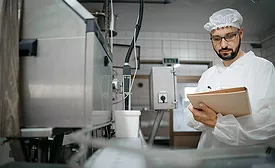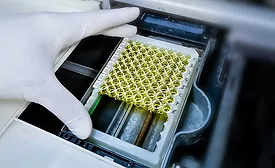
The Peanut and Tree Nut Processors Association's Industry Handbook for Safe Processing of Nuts is an industry-wide reference tool for training, development, and operations in any facility that handles nuts at any point in the supply chain. The latest edition includes an update to theFood Fraud section and the addition of two new sections: Food Safety Cultureand Traceability.
The COVID-19 pandemic has begun to ease, but supply chain challenges have not. This article examines these ongoing supply chain challenges, what we can expect of the supply chain in the future, and guidance for how to respond to these disruptions.
To understand and eventually reduce the risk of salmonellosis from poultry meat, it is necessary to understand the poultry production system, the introduction of the microorganism into the poultry ecosystem (as well as its gastrointestinal tract), the sources of Salmonella during production, and, subsequently, strategies to control or reduce the risk from this microorganism at both the pre-and post-harvest stages. Part 2 of this article series examines pre-harvest controls during grow-out.
Since e-commerce food businesses are not regulated as traditional food manufacturers based on the current Code of Federal Regulations, these models are regulated under the "honor system." The way in which consumers are buying food has changed dramatically, and so must the regulations to ensure public health and safety associated with these foods.
In July 2022, FDA unveiled an enhanced Enforcement Report Subscription Service for recalls that allows users, including industry and consumers, the option to receive notifications of new and updated recalls of FDA-regulated products posted to the application using custom keywords.
There are two big game-changers for improving food allergen safety: more effective food labeling, as well as risk assessments to understand the severity and frequency of allergic reactions. Identifying, prioritizing, and standardizing the list of major food allergens across global borders will help protect people everywhere living with allergies.
The IFT FIRST event offered several key takeaways impacting food safety, from topics and issues surrounding supply chain disruption and innovation to data standards and contaminants.
The backbone of innovation relies on what some call the "underbelly" of the industry: sanitation. Many would agree that sanitation is the most fundamental aspect of an operation's ability to consistently produce high-quality, safe food. But how much does our industry really know about sanitation as a whole?
Food companies are struggling with recall execution and communication, stemming from a patchwork of regulations. Three key issues confront industry due to this fragmentation of the recall system. The path to more effective recalls, in simple terms, is to standardize and streamline the existing system and utilize modern technology to circulate pertinent information.
Global Seafood Alliance's Best Aquaculture Practices (BAP) label is the most comprehensive third-party certification system in the industry. It covers the entire aquaculture production chain and follows the four pillars of responsible seafood: environmental responsibility, social accountability, food safety, and animal health and welfare.