Success can be achieved by working together to reimagine wet sanitation processes that clean effectively and efficiently while preserving assets and improving sustainability outcomes
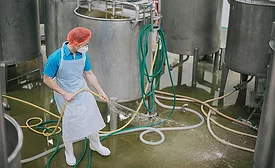
This article discusses how Maple Leaf Foods' redesign of its wet food sanitation processes led to reduced recurring equipment damage that caused startup downtime. It also improved sustainability, saved costs, and ensured food safety through better management of resources.
Psychosocial risks become important to food safety when they have the potential for causing psychological or physical harm, and when they lead to deficiencies in expected food safety behaviors
Ignoring psychosocial risks in a food business—including control and support—gives a false sense of security for leaders, who may believe that high external inspection and audit scores mean that the company has a strong food safety system and culture.
To what extent does poultry contribute to cases of salmonellosis, both directly and indirectly, and is there more the industry can do to protect public health?
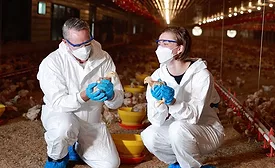
Reliable test results for fresh poultry are a prerequisite for targeting interventions and improving processes. This article discusses the ongoing needs of the poultry industry regarding testing, methods, serotyping, and other concerns, including changes to the regulatory landscape.
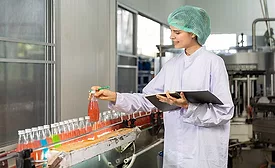
Delivering safe and high-quality food must be a top priority for everyone involved in the food industry, from food manufacturers and suppliers to grocery stores and restaurants, and from CEOs and CFOs to manufacturing plant workers. Food manufacturers can eliminate the risk of food contamination anywhere along the supply chain by creating a culture of food safety.
States like California have been active in the past few years passing laws to regulate PFAS in products. So far, 12 states have enacted laws that ban or impose reporting or disclosure requirements for PFAS in products. As states continue to move forward with emerging PFAS product restrictions, those who manufacture, distribute, and sell such products must prepare for the changing legal landscape.
Understanding the structure and function of biofilms is essential for developing effective strategies to control microbial biofilm formation, mitigate biofilm-related risks, and harness the beneficial properties of biofilms for various applications.
This article explores the benefits offered by "beneficial" artificial intelligence (AI) as applied to the food and beverage industry and specifically to food safety practices. It discusses relevant elements of President Biden's October 2023 Executive Order on the Safe, Secure, and Trustworthy Development and Use of Artificial Intelligence, as well as the Department of Defense's June 2023 Data, Analytics, and Artificial Intelligence Adoption Strategy, and what these documents mean to AI applications in food safety.
The highly regulated food industry has recently reached major milestones in its food safety culture journey. In addition to general acceptance of the key concepts, a unified language and framework has been developed. The local food movement is characterized by short supply chains, typically involving direct sales to consumers. The majority of businesses in this category have a handful of employees and include small-scale farmers and processors, as well as cottage food producers. The concepts of food safety culture are at the infancy stage, gaining traction as the rest of the food industry settles into the new normal of behavior-based food safety practice. This article explores the question: To what extent do the established food safety culture cornerstones apply to the local food segment of the food industry?
Ongoing debates about the use of rapid microbiological test methods in food safety have led to the rise of many questions about the future of this type of testing. This column will explore which methods are being used, food processors' views on what attributes of the tests are most important, how fast is fast enough, and what even faster tests would enable them to accomplish. It also explores where the growth may continue and whether rapid methods used in commercial labs will continue to drive growth, or if a plateau is likely. Growth in regions outside of the U.S. and Europe will also be examined, along with whether rapid testing technology is evolving to the point where it may be acceptable to bring back the analysis to an in-plant lab.
FDA's Foreign Supplier Verification Programs (FSVP) require importers to verify that their suppliers are producing food in a way that meets domestic food safety standards. Through continuous monitoring, FDA targets high-risk products and supply chains to ensure the most impactful FSVP inspections.