FDA tested 195 samples from 2022–2025. No violations were identified among domestic samples, but 4.5 percent of imported samples showed evidence of economically motivated adulteration.
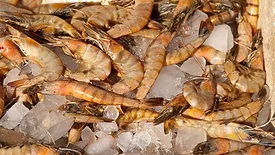
FDA found Indonesia’s Cs-137 import certification program for shrimp and spices, launched because cesium-contaminated shipments of shrimp and spices were detected in the U.S., “substantially meets requirements” after the certifying entities corrected deficiencies identified through an in-country assessment.
The organized illegal sale of foods imported from China was discovered, including animal-based foods represented as plant-based, foods with undeclared allergens, the presence of African swine fever virus, and prohibited species. Researchers examined how prohibited foods may circumvent EU border controls.
The EU has implemented increased checks on certain food imports at the border, and has also introduced new certificate requirements for shipments of oysters, clams, mussels, scallops, and other aquaculture products from the U.S. due to veterinary drug use restrictions.
Highlighting contaminated seafood as a particular concern, the Destruction of Hazardous Imports Act answers FDA’s request for the authority to destroy food imports that do not pass safety inspections at the border, preventing importers from “port shopping” their unsafe products.
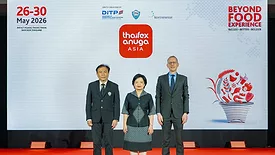
The global food and beverage trade exhibition will take place on May 26–30 at IMPACT Muang Thong Thani, Bangkok, under the theme “BIGGER, BETTER, BOLDER,” welcoming food buyers and importers from more than 130 countries worldwide.
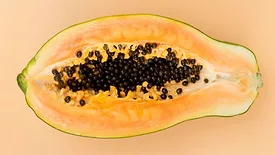
No U.S. Salmonella outbreaks linked to Mexican papayas have been identified since 2020 thanks to collaborative efforts between regulators and industry in both countries. The case study could serve as a framework for improving food safety in other commodities and global supply chains.
UK businesses will be required to align with relevant EU regulatory requirements within the scope of the Sanitary and Phytosanitary (SPS) agreement, regardless of whether they export to the EU or sell only to the UK market.
Arachidonic acid oil (AHA oil) from a Chinese supplier was identified as the source of cereulide toxin contamination in infant formula produced by Nestlé and other well-known
brands. Imports of Chinese AHA oil are now subject to stricter EU border checks.
The European Commission has established a task force to strengthen food safety controls for food imports, building upon a broader set of measures announced in December.
 RSS
RSS