Citing concerns about antibiotic overuse in food-producing animals contributing to the spread of antimicrobial resistance (AMR), the petition calls for FDA to withdraw approvals for the routine use of medically important drugs for disease prevention.
In this bonus episode of Food Safety Matters, we speak to Dr. Alissa Welsher, Senior Consultant at Elanco Poultry Food Safety, about how preharvest poultry operations can get ahead of increasing insect activity seen in warmer months with robust integrated pest management (IPM) and insecticide solutions.
Agralarm’s newly released features include water meter monitoring, smarter dry contact sensor capabilities, scheduled reporting, and custom call lists.
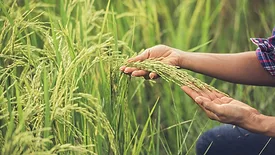
Large-scale recycled manure use—a circular agriculture approach used to combat soil acidification that reduces crop yield—can lead to the accumulation of cadmium in soil, which is then taken up by rice crops, affecting food safety.
In a partnership with Syngenta, early laboratory testing demonstrated the activity of novel bioactive ingredients, developed with Biotalys’ AGROBODY technology, against a specific insect crop pest.
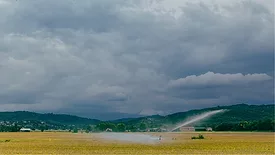
The Center for Produce Safety-funded project aims to generate practical guidance for produce growers, including improved sampling approaches to determine whether groundwater is influenced by surface water, and immediately actionable recommendations for mitigating microbial contamination and biofilms in irrigation systems.
The Achyut Adhikari Research Group is conducting several projects focused on preventive, FSMA-aligned strategies to reduce microbiological risks during pre-harvest and processing of produce, including hydroponic production, manure fertilizer treatment, food-contact surface sanitation, and antimicrobial packaging development.
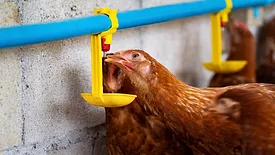
Elevated levels of certain metals and the presence of commonly used disinfectants were found to inactivate Salmonella vaccines administered to poultry via drinking water.
The California Longitudinal Study, a five-year environmental study of California’s Central Coast produce-growing region, identified wildlife, livestock, and surface water as potential contributors to the persistence and movement of Shiga toxin-producing Escherichia coli (STEC).
 RSS
RSS

.webp?height=168&t=1691503719&width=275 "FoodSafetyMattersFinal-900x550-(002).jpg")