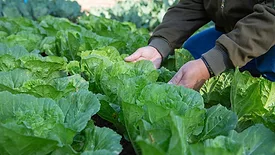
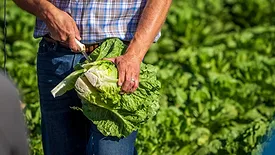
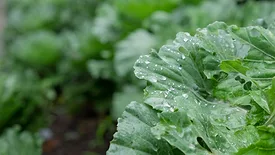
This article explores the application of pre-wash and other food hygiene processes to raw agricultural products to implement food safety measures sooner in the production and processing of raw agricultural commodities.
The UD College of Agriculture and Natural Resources and UD Cooperative Extension offer Produce Safety Alliance Training at least three times a year, with the next course slated for winter 2026–2027.
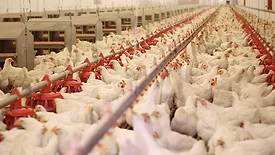
Oxford University researchers found that the expansion of dense, industrial chicken farming created conditions that enabled Campylobacter strains to spread, mix, and acquire traits that could improve their survival in poultry production environments.
The growing collection includes scientific publications and guidances on detection and viability methods, agricultural water monitoring and treatment, mitigation strategies, and the biology and epidemiology of the parasite.
Developed by the University of New Hampshire and the University of Maine Extension with USDA-NIFA support, the peer-to-peer microlearning video series grew out of years of on-the-ground, individualized farm visits, hands-on technical assistance, and the trust that develops from working closely with a farmer.
This episode of Food Safety Five highlights new research on cold storage practices for fresh-cut produce, food safety perspectives among small-scale produce growers exempt from FDA's FSMA Produce Safety Rule, and water management strategies that reduce arsenic in rice.
The co-occurrence of biofilm formation, acid tolerance, and antimicrobial resistance genes in E. coli isolatedfrom irrigation water, soil, and crops could complicate downstream microbial control efforts in produce production systems.
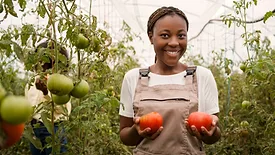
Researchers from Purdue University conducted focus groups with Indiana produce growers who qualified for exemptions from the Food Safety Modernization Act Produce Safety Rule, examining the beliefs and practical constraints that shape on-farm food safety practices.
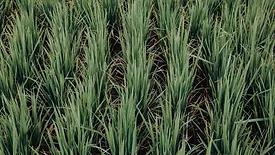
The Arkansas-based study showed that repeated mid-season soil aeration events significantly reduced arsenic concentrations in rice grain without increasing cadmium levels, providing field-scale evidence that water management can help mitigate arsenic accumulation.
The companies are assessing the effects of controlled light exposure during fermentation on the growth and characteristics of coffee cell cultures. Coffee cell culture may offer an alternative production pathway that is less dependent on agricultural growing conditions.