The Trump administration released its "Make America Healthy Again" (MAHA) Report on May 22, laying a foundation for the overhaul of government policy on childhood nutrition, food chemicals, environmental toxins found in food contact materials, and other concerns.
Current food safety oversight is spread across multiple federal, state, and local agencies, which Cotton says decreases efficacy, creates gaps, and slows response times to potential public health risks.
FDA notes that, until now, it has conducted post-market reviews on a case-by-case basis, often in response to citizen petitions or new scientific evidence. FDA says the new framework will be more proactive.
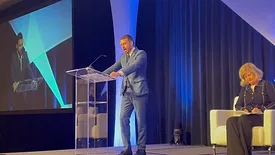
At the 2025 Food Safety Summit, the much-anticipated Town Hall session on Thursday featured a candid discussion and attendee Q&A with officials from FDA, USDA-FSIS, CDC, and AFDO.
New York State Senator Brian Kavanagh, lead Senate sponsor of the legislation, says a key aim of the bill is to address major loopholes in federal food regulation.
In this episode of Food Safety Matters, we speak to Christian Ararat, a seasoned food safety and quality professional with a global perspective, about a range of topics, including auditing, traceability, certifications, exporting to the U.S., and artificial intelligence (AI). We also hear from Joseph Corby, the recipient of Food Safety Magazine’s 2025 Distinguished Service Award, about his illustrious career and advocacy work.
The pause comes in the form of a temporary restraining order that Judge Susan Illston says she granted so as to “protect the power of the legislative branch.”
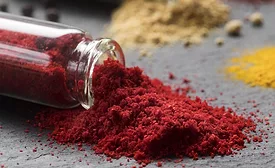
Announcement comes on heels of April 22 press conference regarding the agency’s focus on phasing out petroleum-based synthetic dyes in the nation’s food supply.
The 2023 annual report highlights a few noteworthy outbreaks: illnesses linked to toxins from morel mushrooms, lead linked to cinnamon in applesauce pouches, and Listeria monocytogenes linked to soft serve ice cream cups.
 RSS
RSS