Food Safety
search
Ask Food Safety AI
cart
facebook twitter linkedin instagram youtube
  • Sign In
  • Create Account
  • Sign Out
  • My Account
Food Safety
  • NEWS
    • Latest News
    • White Papers
  • PRODUCTS
  • TOPICS
    • Contamination Control
    • Food Types
    • Management
    • Process Control
    • Regulatory
    • Sanitation
    • Supply Chain
    • Testing and Analysis
  • PODCAST
  • EXCLUSIVES
    • Food Safety Five Newsreel
    • eBooks
    • FSM Distinguished Service Award
    • Interactive Product Spotlights
    • Videos
  • BUYER'S GUIDE
  • MORE
    • NEWSLETTERS >
      • Archive Issues
      • Subscribe to eNews
    • Store
    • Sponsor Insights
    • ASK FSM AI
  • WEBINARS
  • FOOD SAFETY SUMMIT
  • EMAG
    • eMagazine
    • Archive Issues
    • Editorial Advisory Board
    • Contact
    • Advertise
  • SIGN UP!
NewsContamination ControlRegulatoryChemical ControlUSDA

Consumer Groups Petition USDA to Remove Lunchables From School Lunch Program Due to Toxic Contaminants

By Food Safety Magazine Editorial Team
three kids smiling at camera eating lunch at school

Image credit: pressfoto via Freepik

September 10, 2024

Consumer Reports and More Union have delivered nearly 50,000 petition signatures to the U.S. Department of Agriculture (USDA) calling on the agency to remove Lunchables food kits from the National School Food Lunch Program. The groups are urging USDA to strengthen its eligibility standards for the program after tests by Consumer Reports found that Lunchables and similar lunch kits contained relatively high levels of certain contaminants.

Earlier in 2024, Consumer Reports tested 12 store-bought versions of Lunchables and similar kits and found several to contain relatively high levels of lead and cadmium. All but one tested positive for phthalates, chemicals found in plastic that have been linked to reproductive problems, diabetes, and certain cancers.

USDA currently allows two Lunchable kits—Turkey and Cheddar Cracker Stackers and Extra Cheesy Pizza—to be served to nearly 30 million children through the National School Lunch Program. To meet the program’s requirements, Kraft Heinz added more whole grains to the crackers and more protein to the Lunchables kits designed for schools compared to store-bought versions.

Consumer Reports tested store-bought Lunchables and similar kits from Armour, LunchMakers, Good and Gather, Greenfield Natural Meat Co., and Oscar Mayer and found lead, cadmium, or both in all samples. While none of the kits exceeded any federal limit, five of the 12 tested products would expose someone to 50 percent or more of California’s maximum allowable level for lead or cadmium. There are no federal limits for heavy metals like lead or cadmium in most foods.

The group also tested at least one type of phthalate in every kit sampled, except for Lunchables Extra Cheesy Pizza. Phthalates are known endocrine disruptors, compounds that may mimic or interfere with hormones in the body, which can contribute to an increased risk of reproductive problems, obesity, diabetes, cardiovascular disease, and certain cancers.


Update, November 11, 2024: Kraft Heinz, the makers of Lunchables, has voluntarily decided to pull its meal kits from the National School Lunch Program.

Looking for quick answers on food safety topics?
Try Ask FSM, our new smart AI search tool.
Ask FSM →


KEYWORDS: cadmium Consumer Reports lead phthalates schools

Share This Story

Fsm purple logo 200x200

The Food Safety Magazine editorial team comprises Bailee Henderson, Digital Editor ✉ and Adrienne Blume, M.A., Editorial Director.

Recommended Content

JOIN TODAY
to unlock your recommendations.

Already have an account? Sign In

  • people holding baby chicks

    Serovar Differences Matter: Utility of Deep Serotyping in Broiler Production and Processing

    This article discusses the significance of Salmonella in...
    Meat/Poultry
    By: Nikki Shariat Ph.D.
  • woman washing hands

    Building a Culture of Hygiene in the Food Processing Plant

    Everyone entering a food processing facility needs to...
    Facilities
    By: Richard F. Stier, M.S.
  • graphical representation of earth over dirt

    Climate Change and Emerging Risks to Food Safety: Building Climate Resilience

    This article examines the multifaceted threats to food...
    Risk Assessment
    By: Maria Cristina Tirado Ph.D., D.V.M. and Shamini Albert Raj M.A.
Manage My Account
  • eMagazine Subscription
  • Subscribe to Newsletters
  • Manage My Preferences
  • Website Registration
  • Subscription Customer Service

More Videos

Sponsored Content

Sponsored Content is a special paid section where industry companies provide high quality, objective, non-commercial content around topics of interest to the Food Safety Magazine audience. All Sponsored Content is supplied by the advertising company and any opinions expressed in this article are those of the author and not necessarily reflect the views of Food Safety Magazine or its parent company, BNP Media. Interested in participating in our Sponsored Content section? Contact your local rep!

close
  • The image displays a person selecting packaged fresh chicken meat from a supermarket display cooler.
    Sponsored byCorbion

    Developing a Future-Proof Food Safety Strategy for Meat and Poultry Products

  • The image shows a variety of fresh produce packaged in plastic trays and wrap.
    Sponsored byWaters Corporation

    PFAS-Free Food Packaging by August 2026

  • This image displays a multi-stage water filtration system designed to remove contaminants from drinking water.
    Sponsored byWaterdrop Filter

    The 4.0 ppt Era: Future-Proofing Your Food Supply Chain Against 'Forever Chemicals'

Popular Stories

half shredded block of cheddar cheese and pile of cheese shreds on wooden cutting board

Patient Count in Raw Farm E. coli Outbreak Grows, Majority are Young Children

RAW FARM-brand raw cheddar cheese shreds

Amid E. coli Outbreak, Congress Urges FDA to Mandate Raw Cheese Recall

smiling employee in bottling factory looking at camera with arms crossed in front of production line

GFSI Unveils Updated Food Safety Culture Framework

foreign material webinar


Events

April 8, 2026

Foreign Material Contamination: Why In-Line Reinspection Isn't Enough

Live: April 8, 2026, at 11:00 am EDT: From this webinar, attendees will learn why reinspecting with in-line equipment is not sufficient when it comes to potential foreign material contamination.

April 16, 2026

Recordkeeping and Document Management for Food Safety Compliance

Live: April 16, 2026, at 2:00 pm EDT: From this webinar, attendees will learn why recordkeeping and document control are essential to food safety and business management.

May 11, 2026

The Food Safety Summit

Stay informed on the latest food safety trends, innovations, emerging challenges, and expert analysis. Leave the Summit with actionable insights ready to drive measurable improvements in your organization. Do not miss this opportunity to learn from experts about contamination control, food safety culture, regulations, sanitation, supply chain traceability, and so much more.

View All

Products

Global Food Safety Microbial Interventions and Molecular Advancements

Global Food Safety Microbial Interventions and Molecular Advancements

See More Products

Related Articles

  • school children at lunch table

    Kraft Heinz Voluntarily Pulls Lunchables from School Lunch Program Following Consumer Reports Petition

    See More
  • m&m cookie

    FDA Applauds Consumer Brands Association Initiative to Remove Artificial Colors From School Foods

    See More
  • Consumer Pressure Prompts Subway to Remove Azodiacarbonamide from Bread

    See More

Related Products

See More Products
  • food safety.jpg

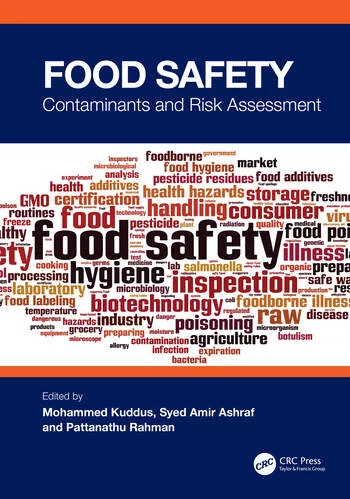
    Food Safety Contaminants and Risk Assessment

  • food-safety-making.jpg

    Food Safety: Making Foods Safe and Free From Pathogens

  • Food-Forensics-3D.jpg

    Food Forensics Handbook Practice, Instrumentation, Case Studies

See More Products

Related Directories

  • EAS Consulting Group, a Certified Group Co.

    EAS Consulting Group is a global leader in regulatory solutions for industries regulated by FDA, USDA, and other federal and state agencies. Our network of 200+ independent consultants enables EAS to provide comprehensive consulting, training, and auditing services, ensuring proactive regulatory compliance for food, supplements, pharmaceuticals, medical devices, cosmetics, tobacco, hemp, and CBD.
×

Never miss the latest news and trends driving the food safety industry

Newsletters | Website | eMagazine

JOIN TODAY!
  • RESOURCES
    • Advertise
    • Contact Us
    • Directories
    • Store
    • Want More
  • SIGN UP TODAY
    • Create Account
    • eMagazine
    • Newsletters
    • Customer Service
    • Manage Preferences
  • SERVICES
    • Marketing Services
    • Reprints
    • Market Research
    • List Rental
    • Survey/Respondent Access
  • STAY CONNECTED
    • LinkedIn
    • Facebook
    • Instagram
    • X (Twitter)
  • PRIVACY
    • PRIVACY POLICY
    • TERMS & CONDITIONS
    • DO NOT SELL MY PERSONAL INFORMATION
    • PRIVACY REQUEST
    • ACCESSIBILITY

Copyright ©2026. All Rights Reserved BNP Media, Inc. and BNP Media II, LLC.

Design, CMS, Hosting & Web Development :: ePublishing