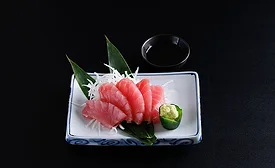
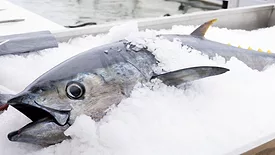
This article focuses on frozen and fresh tuna used in sushi and sashimi applications and, as such, describes processing as it pertains to Big Eye, Yellowfin, and Bluefin tuna.
A new European Commission report identified inconsistencies in how EU Member States conduct official controls for histamine (scombrotoxin) in fishery products, highlighting gaps in inspection procedures, staff training, and harmonization of testing methods.
Scombroid toxin and ciguatoxin caused the greatest number of illnesses, hospitalizations, and death. Characterizing marine toxin outbreaks can help guide prevention efforts.
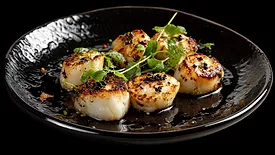
The EU has implemented increased checks on certain food imports at the border, and has also introduced new certificate requirements for shipments of oysters, clams, mussels, scallops, and other aquaculture products from the U.S. due to veterinary drug use restrictions.
Notable pathogen–food commodity pairings emerged, including Clostridium botulinum and Alaskan traditional fermented meats and fish. The analysis was conducted by FDA and CDC researchers.
Highlighting contaminated seafood as a particular concern, the Destruction of Hazardous Imports Act answers FDA’s request for the authority to destroy food imports that do not pass safety inspections at the border, preventing importers from “port shopping” their unsafe products.
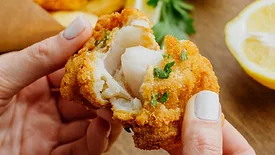
Breading mixtures may be reused for different foods in foodservice operations. An FDA-supported study found that both shrimp and cod allergens accumulate in reused breading and transfer to subsequent foods, although the cod cross-contact risk was much greater.
 RSS
RSS