Butylated hydroxyanisole (BHA) is a chemical preservative used in food that is “reasonably anticipated to be a human carcinogen” by the National Toxicology Program (NTP). FDA has issued a Request for Information (RFI) on the use and safety of BHA.
In this episode of Food Safety Matters, we speak to food regulatory legal expert Kathleen Sanzo, J.D. about the implications of FDA’s voluntary approach to phasing out synthetic food dyes from the U.S. food supply and how food companies can prepare.
EFSA established a provisional safe intake level for adults for CBD as a novel food while highlighting that data gaps continue to exist regarding possible effects of CBD on the liver and the endocrine, nervous, and reproductive systems.
This article examines shifting USDA regulatory expectations, evolving risk assessment tools, and realistic strategies to manage Salmonella as a true public health risk rather than solely a process control issue.
Food Standards Australia New Zealand (FSANZ) has published the findings of a national survey of antimicrobial resistance (AMR) in foodborne bacteria on raw beef, chicken, and pork meat at retail.
CalRecycle has issued a final draft of the Plastic Pollution Prevention and Packaging Producer Responsibility Act (SB 54), which establishes an extended producer responsibility (EPR) program to manage packaging and single-use plastic. Western Growers shared concerns about the produce industry’s ability to qualify for categorical exclusion.
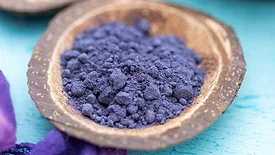
As part of its efforts to encourage industry to phase out the use of petroleum-based synthetic food dyes, FDA is expanding the allowed uses of the label claim “no artificial colors” on food products and has approved a new naturally derived colorant for food.
Following the ByHeart botulism outbreak, FDA intends to begin testing infant formula products and ingredients for Clostridium botulinum to help determine whether contamination by the pathogen is a “foreseeable hazard that companies could test for.”
The researchers found that advanced, multi-step disinfection treatment significantly reduces the antibiotic resistance (AMR)-related food safety risks of wastewater reused for irrigation, while biological treated water remains a potential source of resistant bacteria contamination.
Antibodies for highly pathogenic avian influenza H5N1 (HPAI H5N1) have been detected in a Dutch dairy cow, indicating the animal was infected with the virus.
 RSS
RSS