AB 2034 aims to tighten oversight of ingredients used in foods sold in the state that have entered the food supply without a formal FDA safety review through the Generally Recognized as Safe (GRAS) process.
The standards provide a consistent framework for state, local, tribal, and territorial jurisdictions overseeing produce operations and commodities covered by the Produce Safety Rule.
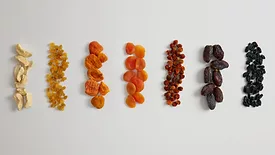
The STEC O26:H11 outbreak sickened 40 people and resulted in 19 cases of hemolytic uremic syndrome (HUS) in children. Dried fruit was the probable vehicle of illness. Researchers underlined the importance of a weight-of-evidence approach in the outbreak investigation.
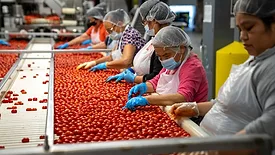
MagnaFlow is a new automated inline washwater analyzer that provides continuous, real-time visibility into the microbial loads present in post-harvest wash systems.
The research from Oregon State University also found that queso cotija supports L. monocytogenes survival but not growth, and that organic acid surface treatments could inhibit L. monocytogenes growth on queso fresco.
Amid the ongoing global infant formula recall due to possible cereulide contamination, some countries have reported cases of mostly mild gastrointestinal illness in infants who had consumed infant formula, but confirming cereulide exposure is a challenge.
Although generally detected at low levels, mycotoxins were present in all plant-based meat alternative and beverage samples, suggesting that cumulative exposure may pose health concerns.
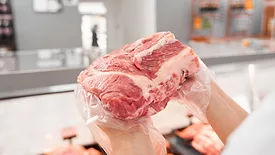
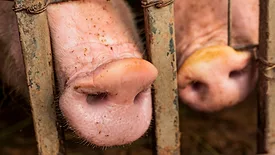
Establishments operating under the New Swine Slaughter Inspection System (NSIS) would be allowed to determine their own line speeds, and New Poultry Inspection System (NPIS) establishment line speeds would be raised.
This article explores the journey to safe, high-quality natural colors at Oterra, from the field to harvested raw materials to finished product, and how the company maintains compliance with global food safety and regulatory frameworks.
 RSS
RSS