Manufacturers that proactively align decorative ingredients with clean-label, non-GMO, and allergen management strategies are better positioned to meet retailer requirements, reduce operational risk, and respond to changing consumer values.
This episode of Food Safety Five discusses updated USDA-FSIS guidance on Listeria testing in RTE facilities, the latest on the Boar’s Head facility behind the fatal outbreak of 2024, and a real-world Listeria “Seek and Destroy” success story.
EFSA conducted a safety reevaluation for the sweetener sucralose, resulting in no change to the acceptable daily intake (ADI). EFSA also considered a proposed extension for the use of sucralose in fine bakery wares, but was unable to determine its safety.
In a recent 60 Minutes interview, U.S. Health Secretary Robert F. Kennedy Jr. said FDA will address the “generally recognized as safe” (GRAS) “loophole,” which allows ingredients into the food supply without FDA review, while saying he does not plan to regulate ultra-processed foods.
Affected products were sold under various brand names at numerous retailers. The products shared a single supplier of contaminated pasta, Nate’s Fine Foods Inc.
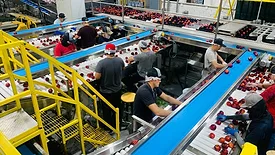
A recent study examined the efficacy of three commonly used sanitizers—chlorine, QACs, and UV-C light—against Listeria monocytogenes biofilms on stainless steel, PET, and silicone rubber surfaces, including organic matter, representing produce packing environments.
A request for a preliminary injunction filed by a coalition of food industry associations was granted by a Texas court against a provision thatwould require warning labels for food products containing certain additives.
An EFSA survey found that only one in ten respondents reported awareness about the health risks of seafood, and one-third of seafood consumers ate species high in mercury three or more times a week.
Citing reports of contamination and a lack of federal oversight, California Senator Steve Padilla introduced SB 1033, which would require manufacturers of protein products to test their products for heavy metals and publicly disclose their findings.
Food fraud in the seafood sector is a growing and complex issue with serious health consequences, requiring a coordinated effort involving strict enforcement, advanced analytical tools, stakeholder collaboration, and public education.
 RSS
RSS