Of the 111 “Generally Recognized as Safe” (GRAS) additives identified by the Environmental Working Group (EWG), 49 are known to be widely used by food manufacturers.
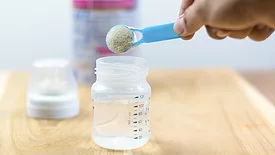
However, concerning levels of arsenic and lead were detected in some products, and Consumer Reports is therefore urging FDA to set limits for these metals in infant formula. PFAS were also found in more than a quarter of products.
Incorporating a novel “bio-fumigation” method based on a natural compound produced by mustard plants, the micro-malting machine effectively addresses mycotoxins while preserving quality. USDA is working with industry to scale the prototype for widespread adoption.
In an analysis of domestic refrigerator swabs, researchers discovered complex microbial communities harboring foodborne pathogens and antimicrobial resistance (AMR). The findings also suggested that regular cleaning is possibly more important than temperature control in managing these communities.
In light of changing regulations and consumer demand for cleaner labels, this article explores the evolving science, gaps in regulation, and food safety and quality strategies needed to safeguard brands, achieve compliance, and develop the next generation of transparent food systems.
FDA has declared the outbreak over with 48 confirmed and probable cases of illness. A root-cause investigation is still ongoing. FDA has also announced new “Operation Stork Speed” infant formula resources for families.
Arachidonic acid oil (AHA oil) from a Chinese supplier was identified as the source of cereulide toxin contamination in infant formula produced by Nestlé and other well-known
brands. Imports of Chinese AHA oil are now subject to stricter EU border checks.
The educational series comprises four distinct food safety events taking place across the U.S. to help address the nut industry’s diverse challenges through networking, professional development, and knowledge-sharing.
The researchers conducted environmental sampling throughout a controlled environment agriculture (CEA) operation and tested swabs for L. monocytogenes. Boot covers proved to be a useful tool for evaluating the effectiveness of cleaning and sanitation.
EPA repealed Biden-era amendments that had tightened emissions regulations under the Mercury and Air Toxics Standards (MATS) rule. Critics warn that this decision could lead to greater bioaccumulation of the neurotoxin methylmercury in fish, increasing human dietary exposure.
 RSS
RSS