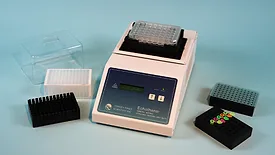
MicroTally’s MicroCap sampler grabs microorganisms from product surfaces as finished product passes through the weigh station. The device can operate unattended for up to two hours.
Both the SC20 and SC25 models incorporate a variable-speed orbital shaker, enabling simultaneous sample mixing and temperature control. The tools can be used for biological and other samples, with a number of applications, including sample storage.
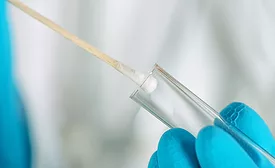
Sponges far outperformed cotton swabs in laboratory experiments and real-world sampling in an RTE food production facility. The findings align with existing recommendations supporting the use of sponge-based sampling with neutralizers for environmental monitoring.
New research has demonstrated a low overall prevalence of Campylobacter on retail chicken meat; however, recovered C. jejuni strains did not match known poultry-associated genotypes, suggesting the need for sensitive detection methods and expanded genomic surveillance.
USDA Food Safety and Inspection Service (USDA-FSIS) laboratories now use an improved enrichment method for Campylobacter in poultry meat samples, which reduced enrichment incubation time by half, and shaved a day off of reporting times for results.
Reintroduced to U.S. Congress on February 3, the Expanded Food Safety Investigation Act seeks to grant FDA the authority to collect microbial samples from concentrated animal feeding operations, also referred to as “factory farms,” during foodborne illness outbreak investigations.
USDA-FSIS has published its Annual Sampling Plan for Fiscal Year (FY) 2025, outlining the agency’s strategy for directing sampling resources in the coming year.
Pathotrak has appointed Frank Yiannas, former Deputy Commissioner of Food Policy and Response at the U.S. Food and Drug Administration (FDA), to its Board of Directors.
Designed to address key challenges faced by food safety professionals, the new Sampling Plan Module for Hygiena’s SureTrend platform offers a streamlined, efficient approach to sampling management.
QualiTru Sampling Systems® has launched the new TruStream™ Drum Port, engineered for the quick and safe extraction of liquid samples without exposing the product to airborne contaminants.
 RSS
RSS