At the highest tested dose, every isolate, even those exhibiting antimicrobial resistance (AMR), underwent at least a 2-log reduction in viable cells. Modeling suggested that such a reduction could decrease public health risk of infection by up to 90 percent.
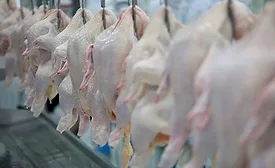
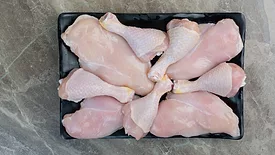
A review led by researchers at the University of Nebraska–Lincoln found that high-pressure processing (HPP) can reduce foodborne pathogens in raw chicken and described pressures and holding times that significantly influenced microbial inactivation.
The Hiperbaric Global Roadshow Oklahoma, hosted by Oklahoma State University’s Robert M. Kerr Food and Agricultural Products Center (FAPC) in September, will showcase FAPC’s newly installed Hiperbaric 55 high-pressure processing (HPP) system and connect attendees with technical and academic food safety experts.
The research and development center is designed to provide shared infrastructure for developing and testing emerging food technologies, biomaterials, and other products. It will offer industry, academics, and nonprofits with access to prototyping, characterization, culinary testing, and early-stage consumer testing resources.
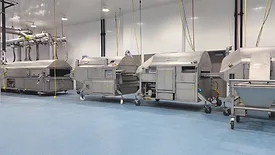
The facility supports product development, equipment testing, technical training, and process optimization for manufacturers producing coated food products. Customers can conduct production trials using complete processing lines configured to match their manufacturing requirements.
The Sennoselect Flagship Brewery Program is intended to support the development of fermentation intelligence technology. Participating craft breweries will receive early access to new technologies.
Modern investments in applied food safety research infrastructure are essential to bridge the gap between scientific discovery and real-world implementation.
This episode of Food Safety Five covers a novel detection method for Clostridium botulinum and a potential new processing approach to mitigate contamination, as well as growing discussion around how C. botulinum should be handled in infant formula manufacturing, spurred by recent botulism outbreaks.
Moringa oleifera seed extract could potentially serve as a sustainable alternative to conventional alum coagulants for microplastic removal in drinking water treatments, while also allowing for process simplification and cost savings.
 RSS
RSS