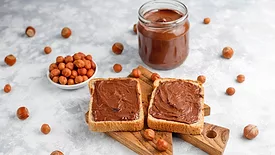
The outbreak strain of Salmonella Bochum is extremely rare. Children and adolescents aged 2–15 years represent 75 percent of outbreak patients. Patient interviews and a case-control study point to a certain brand of chocolate-hazelnut spread as the vehicle of illness.
During its investigation of an ongoing Escherichia coli O157:H7 outbreak involving Raw Farm-brand unpasteurized cheddar cheese, FDA detected E. coli in a product sample not matching the current outbreak strain, but instead matching a strain from a different 2025 outbreak.
Per CDC and USDA-FSIS data, in 2023, Salmonella Infantis strain REPJFX01 accounted for 97 percent of S. Infantis isolates and 21 percent of all Salmonella recovered from chicken carcasses. This rising trend is closely aligned with an increase in human salmonellosis infections linked to REPJFX01.
Phage W5, isolated from poultry and livestock slaughterhouse effluent, significantly inhibited the growth of Salmonella in milk, pork, and eggs, and effectively prevented and eradicated biofilms on food-contact surfaces. The absence of virulence and antibiotic resistance genes supported its suitability as a food-grade biocontrol agent.
Although UV-C was effective against Salmonella, E. coli, and Listeria monocytogenes under most conditions, pathogen regrowth during refrigerated storage was significant. The findings suggest UV-C may be a useful post-harvest intervention when used in combination with other measures.
Using metagenomic sequencing and qPCR, the study analyzed bacteria from produce, chicken meat, and RTE deli meats sold at retail stores in Tennessee. A high abundance and diversity of antibiotic resistance genes were identified, potentially contributing to the persistence and spread of antimicrobial resistance (AMR) in the food supply.
The Canadian Food Inspection Agency (CFIA) recently published the findings from several food sampling and testing assignments for microbiological and chemical contaminants across a range of food categories. In general, the results were satisfactory.
The company says the recall is being issued “under protest” and “as a path forward,” while continuing to contest the epidemiological evidence provided by FDA.
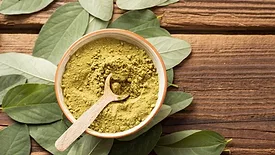
Although FDA was unable to find a cause of contamination, a single supplier of the contaminated moringa powder was identified. Affected products, which were sold under the Rosabella brand and distributed by Ambrosia Brands LLC, have been recalled.