Designed specifically for potato chips, tortilla chips, and similar snack foods, the belt-fed sorting system identifies and removes product defects and foreign material to protect food safety and product quality.
In light of the ongoing highly pathogenic avian influenza H5N1 (HPAI H5N1) bird flu outbreak affecting North American dairy cattle, a new CDC report concluded that the risk of contracting bird flu from raw milk and dairy is “low, but theoretically possible.”
A global scientific review warns that one of the world’s most widely used groups of agricultural chemicals, strobilurin fungicides, are found in food and water, the environment, and humans—and that they may have toxic effects.
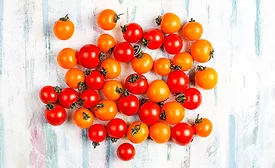
More than 300 patients infected by the outbreak strain of Salmonella Strathcona have been identified in 19 EU/EEA countries, the UK, the U.S., and Canada. Tomatoes from Italy are the vehicle of infection.
To help foodservice businesses train staff on how to safely serve customers with food allergies, Food Allergy Canada has launched “Serving the Food Allergic Guest,” a free, three-part micro-training video series.
The Campbell’s Company is the latest food company to pledge to end the use of artificial food dyes in its products following HHS’/FDA’s prompting, reflecting HHS Secretary Kennedy’s MAHA movement, changing consumer preferences, and state additives bans.
The turkey industry advocacy group has issued a request for research proposals that will help define microbiologically independent lots of raw ground turkey, informing best practices that enhance food safety and regulatory compliance.
A French analysis of anaphylaxis cases revealed eight foods causing a notable number of allergic reactions, which are not included on the EU list of major food allergens requiring mandatory labeling. The researchers recommend four of these hidden allergens for inclusion on the list.
This episode of Food Safety Five discusses three recent studies that examine the risk of Listeria monocytogenes growth from multi-species biofilm contamination, how imported seafood may spread antibiotic resistance genes, and a promising AI mycotoxin detection method.
A recent survey of frozen berries at retail across Switzerland showed very low levels of pathogenic bacteria contamination, with only Bacillus cereus detected; however, antimicrobial resistance (AMR) indicators were detected on 2 percent of samples.
 RSS
RSS