 RSS
RSS
Management

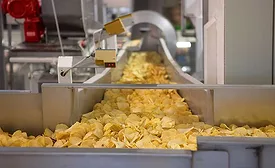
Beneficial AI: Safe, Secure, and Trustworthy Artificial Intelligence for Food Safety
AI can help ensure food safety by analyzing patterns and trends that might not be readily apparent to human analysts
Read More



Food Safety Culture and the Local Food Movement
To what extent do established food safety culture cornerstones apply to the local foods segment of the food industry?
Read More
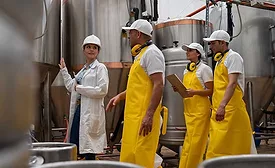
Strategies for Managing Temporary Workforce in Food Manufacturing
Temporary employees can be a cost-effective staffing resource for a food manufacturing facility; however, they can also bring some challenges
Read More


The Evolution of FDA CORE: Adaptive Response to Outbreak-Related Challenges
Since the CORE Network was established in 2011, its dedicated staff has worked to adapt to an ever-changing foodborne illness outbreak investigation landscape
Read More

Building a Culture of Hygiene in the Food Processing Plant
One of the crucial building blocks for a successful food safety or quality culture is basic food hygiene
Read More


Collective Responsibility for Food Safety and Quality in Food Manufacturing
Food safety and quality are not just the responsibility of one team; they are the shared responsibility of every individual within the organization
Read More

Developing Food Safety Leadership Skills: Building the Workforce of Tomorrow
What does it take to be a great food safety leader?
Read More

Food Safety and Quality Considerations in the Production of Plant-Based Meat Alternatives
Each step during manufacturing and distribution introduces potential challenges and opportunities for maintaining food safety and quality of plant-based meat products
Read More
