

ECDC has provided an update on a multi-year, multi-national outbreak of Salmonella Strathcona linked to tomatoes from Sicily, Italy, which has grown to 437 confirmed cases in 17 European countries, plus the UK, the U.S., and Canada.
The FAO-led Regional Food Safety Research and Innovation Network (RFSRIN) was officially launched this October to improve food safety across the Near East and North Africa. Recent efforts by RFSRIN include a report mapping the region’s food safety challenges and opportunities.
This article explores how the integration of Lean Six Sigma and benchmarking methodologies offers a robust framework for optimizing process manufacturing.
A massive wave of consumer class actions targeting food manufacturers, distributors, and retailers is sweeping across industries as the plaintiffs' bar aggressively targets product labeling and advertising under California's consumer protection statutes. Companies should be aware of these practices and develop a plan to lessen the risk of receiving such claims.
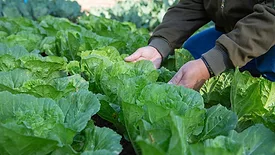
A 2024 European foodborne illness outbreak caused by a rare Salmonella serotype, linked to leafy greens grown near a buffalo farm, exposed gaps in biosecurity, surveillance, and data transparency across the agri-food system.
The Institute of Food Technologists’ (IFT’s) Food Science Academic Knowledge Base 2025 covers application and enrollment trends, areas of growing and declining interest, and key influences among food science students globally.
The retail foodservice industry’s challenge in preventing foodborne illness comes from gaps in prevention—i.e., the interpretation, implementation, and execution of existing knowledge about root causes and hazards controls.
In this episode of Food Safety Matters, we speak with Dr. David Dyjack, Executive Director and CEO of the National Environmental Health Association (NEHA), about the multitude of challenges and opportunities facing today’s food safety workforce, along with NEHA’s projections for the future of this workforce.
Many food companies facing a possible product recall find themselves unsure of what to do, let alone how to engage with FDA. This article walks through some of the key considerations that companies should have front-of-mind in this situation.
By integrating One Health principles and cross-sector data sharing, the food safety community can move from reactive outbreak response to proactive biological domain awareness
This article discusses an Information Sharing and Analysis Center (ISAC) for biosurveillance, with the aim of ensuring food safety as part of a food defense program. ISACs collect, analyze, and disseminate actionable threat information to their industry members and provide members with tools to mitigate risks and enhance resiliency.