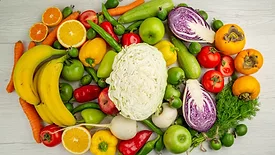
A court has ruled in favor of a lawsuit filed against House Bill 2354, which was passed in March 2025 and would prohibit foods containing several food additives and dyes from sale in the state. The injunction does not apply to the bill’s provision banning seven food dyes from school meals.
A first-of-its-kind French study has demonstrated that food additives are consumed as mixtures by children and adults, underscoring the importance of considering combined exposures in food safety evaluations.
This episode of Food Safety Five discusses a food safety issue that was covered in some of our most-read scientific articles of 2025: microplastics release from food contact materials and contamination of food.
A new study estimates the annual cost of foodborne illness in Australia from six important pathogens to be $721 million AUD, with nearly half of this cost ($328 million AUD) attributed to poultry sources.
FAO and WHO recently published a report identifying and prioritizing chemical contaminants that pose a food safety risk due to their presence in sources of water used in agri-food systems.
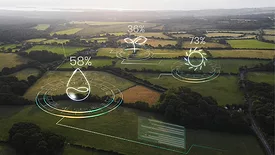
FAO recently published a report and conducted a webinar on the use of advanced technologies like AI to transform traditional approaches to food safety foresight, providing both public and private perspectives, and emphasizing the importance of expert human oversight and cross-sector collaboration.
As in years past, USDA’s Pesticide Data Program reports that more than 99 percent of foods sampled in 2024 were compliant with EPA pesticide residue limits. Some persistent organic pollutants, like DDT, continue to show up in crops.
At the 55th Session of the Codex Committee on Food Hygiene (CCFH), prompted by the ongoing infant botulism outbreak linked to ByHeart formula in the U.S., CCFH decided to initiate work related to the control of Clostridium botulinum in powdered infant formula.
The top ten food safety research projects that excited Food Safety Magazine’s audience the most in 2025 covered Listeria monocytogenes (especially related to biofilms), microplastics, Escherichia coli, antimicrobial resistance (AMR), avian influenza in dairy, microbial threats in irrigation water, and food allergens.
To help paint a picture of how federal food safety and public health regulatory agencies have been affected by the second Trump Administration, this article provides a 2025 timeline summarizing major happenings at HHS, FDA, CDC, and USDA, including firings and hirings, restructurings, policy changes, program and budget cuts, and other actions.
 RSS
RSS