Manufacturing safe, wholesome products is perhaps the most important aspect of any dairy foods business, especially when it comes to consumer confidence. Therefore, as an industry, we are always looking for ways to improve our products and maintain the most robust food safety protocols possible.
Food Engineering's 41st annual Plant Construction Survey reveals that the ratio of the number of plant renovations and expansions versus new, greenfield projects has again risen from last year, indicating several owners and operators are trying to stay put.
Third-party logistics (3PL), the use of a third-party business to outsource elements of a company's distribution and order fulfillment services, can help snack producers and bakeries deliver their products more effectively. 3PL providers specialize in integrated warehousing and transportation services that can be customized to meet customers' needs based on market conditions.
According to FSMA, each processor must have a Preventive Controls Qualified Individual (PCQI). This person is responsible for developing the food safety program, ensuring the controls are validated, reviewing records and reassessing the plan.
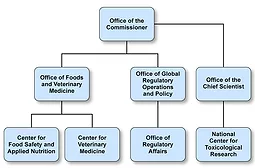
With FSMA now the law of the land and the FDA budgeting $1 billion annually for food safety and nutrition, the agency needs to take several steps to meet food safety and nutrition objectives, says a report from the Government Accountability Office (GAO).
What does 2018 have in store for the meat and poultry industry? There is a plethora of issues facing our industry from trade to immigration to recovering from weather events. Below are a few regulatory and legislative issues that may affect the FSIS-regulated industry in 2018.
Even as food and beverage manufacturers are learning to look on the bright side of FSMA, new regulations keep taking effect, and they all require more than just a good outlook to comply with them.
 RSS
RSS