Food Safety
search
Ask Food Safety AI
cart
facebook twitter linkedin instagram youtube
  • Sign In
  • Create Account
  • Sign Out
  • My Account
Food Safety
  • NEWS
    • Latest News
    • Sponsored Insights
    • Sponsored White Papers
  • PRODUCTS
  • TOPICS
    • Contamination Control
    • Food Types
    • Management
    • Process Control
    • Regulatory
    • Sanitation
    • Supply Chain
    • Testing and Analysis
  • PODCAST
  • EXCLUSIVES
    • Food Safety Five Newsreel
    • eBooks
    • FSM Distinguished Service Award
    • Interactive Product Spotlights
    • Videos
  • BUYER'S GUIDE
  • MORE
    • NEWSLETTERS >
      • Archive Issues
      • Subscribe to eNews
    • Store
    • ASK FSM AI
  • WEBINARS
  • FOOD SAFETY SUMMIT
  • EMAG
    • eMagazine
    • Archive Issues
    • Editorial Advisory Board
    • Contact
    • Advertise
  • SIGN UP!

A collaborative effort to help small dairy manufacturers meet safety guidelines

A recently launched Wisconsin food safety program is designed to help small artisan dairy manufacturers meet FSMA guidelines
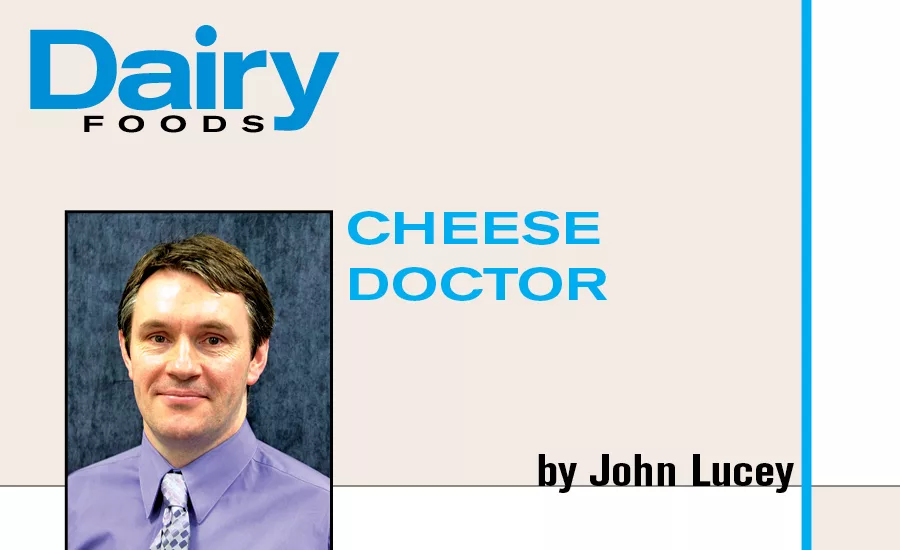
By John Lucey
CheeseDr.jpg
August 10, 2018

Manufacturing safe, wholesome products is perhaps the most important aspect of any dairy foods business, especially when it comes to consumer confidence. Therefore, as an industry, we are always looking for ways to improve our products and maintain the most robust food safety protocols possible. This process is imperative, but it also presents challenges, as new regulations often require additional training and additional costs.


Support for small producers

For smaller businesses and artisan dairy producers, such changes can be a heavy burden, as these producers might not have the dedicated staff available to easily and quickly complete these requirements, as well as all of the required documentation. Seeing this, the dairy foods industry has done what it does best — come together to support one another with the launch of the Food Safety Modernization Act (FSMA) Training and Consultative Service program, officially titled the Artisan Dairy Producer Foods Safety Initiative.

A Wisconsin program dedicated to helping small artisan dairy manufacturers meet FSMA guidelines, this program is an example of the collaborative education efforts we can all invest in to ensure dairy foods continue to be the safe, wholesome products consumers have come to expect.


The program’s goals

Launched in 2016 with financial support from the USDA and a National Institute of Food and Agriculture grant, this program is being led by the Wisconsin Cheese Makers Association (WCMA) in partnership with the Center for Dairy Research (CDR), Dairy Farmers of Wisconsin (DFW) and industry consultants Larry Bell and Jim Mueller. To date, the program has assisted more than 80 companies as they navigate regulatory language and develop plans to meet the new federal expectations.

Ultimately, we hope we can help these artisan cheesemakers become compliant with the Global Food Safety Initiative by preparing them for food safety audits executed for British Retail Consortium Global Standards or the Safe Quality Food Program.

“This project provides valuable resources and assistance to the small processors who typically do not have access to such material,” said CDR Safety Coordinator and Initiative Co-Director Marianne Smukowski. “Armed with these resources, small processors are able to have a food safety plan in place and meet the FSMA requirements, giving them confidence that they are selling the safest and most wholesome dairy products.”


Expanding the program

Expanding this type of program beyond Wisconsin and growing this type of internal industry leadership and education will be essential to keeping dairy at the forefront of food safety and best practices.

Looking for quick answers on food safety topics?
Try Ask FSM, our new smart AI search tool.
Ask FSM →

We are eager to share this work and encourage the industry to collaborate on future initiatives that bridge education, research and application.

In fact, without the various partners and their expertise, none of this would have been possible. From the technical support provided by CDR and DFW to the education expertise provided by industry consultants Mueller and Bell, this project required collaboration at every turn.


High satisfaction rate

A full report on the program will be available in early fall 2018, but to date, all of the plants that participated in the program indicated they are satisfied with the help. In fact, more than 78% of plant representatives polled stated that they are very satisfied.

Such success with a pilot program like this provides the industry with the blueprint it needs to move forward with similar food safety programs in Wisconsin and across the country. It also showcases the need for innovative education efforts so the industry can maintain its role as a leader in food safety.

As Mueller said, “Food safety is essential, and our knowledge and best practices are always changing. As an industry, we cannot become complacent when it comes to safety.”


This article was originally posted on www.dairyfoods.com.
KEYWORDS: dairy food safety

Share This Story

John lucey 2015

John A. Lucey is a professor of food science at the University of Wisconsin, Madison, and the director of the Center for Dairy Research.

Recommended Content

JOIN TODAY
to unlock your recommendations.

Already have an account? Sign In

  • people holding baby chicks

    Serovar Differences Matter: Utility of Deep Serotyping in Broiler Production and Processing

    This article discusses the significance of Salmonella in...
    Food Type
    By: Nikki Shariat Ph.D.
  • woman washing hands

    Building a Culture of Hygiene in the Food Processing Plant

    Everyone entering a food processing facility needs to...
    Food Prep/Handling
    By: Richard F. Stier, M.S.
  • graphical representation of earth over dirt

    Climate Change and Emerging Risks to Food Safety: Building Climate Resilience

    This article examines the multifaceted threats to food...
    Risk Assessment
    By: Shamini Albert Raj M.A. and Maria Cristina Tirado Ph.D., D.V.M.
Manage My Account
  • eMagazine Subscription
  • Subscribe to Newsletters
  • Manage My Preferences
  • Website Registration
  • Subscription Customer Service

More Videos

Sponsored Content

Sponsored Content is a special paid section where industry companies provide high quality, objective, non-commercial content around topics of interest to the Food Safety Magazine audience. All Sponsored Content is supplied by the advertising company and any opinions expressed in this article are those of the author and not necessarily reflect the views of Food Safety Magazine or its parent company, BNP Media. Interested in participating in our Sponsored Content section? Contact your local rep!

close
  • an automated industrial production line used in a modern food factory
    Sponsored byIFC

    A Formula for Food Processing Pest Management

  • fly
    Sponsored byOrkin Commercial

    Fly Control in Food Processing Facilities: Managing Seasonal Food Safety Risks

  • Darkling Beetle
    Sponsored byElanco Animal Health

    Integrated Pest Management: Protecting Poultry Operations as Seasons Change

Popular Stories

taco bell storefront

FDA Says a Taco Bell Iceberg Lettuce Supplier is Source of Five-State Cyclosporiasis Outbreak

Cyclospora cayetanensis oocyst

Cyclospora Cases Climb, But Actual Number Unclear as CDC Reporting Lags Behind States

mother preparing bottle of infant formula

FAO/WHO Experts Recommend Updating Codex Powdered Infant Formula Guidance to Consider Clostridia, B. cereus

building a skilled workforce ebook

Events

July 21, 2026

Using AI Responsibly in Food Safety Management Systems

Live: July 21, 2026 at 2:00 pm EDT: This webinar will provide participants with guidance on how to effectively use generative artificial intelligence (AI) tools to develop key components of a food safety management system (FSMS).

August 6, 2026

Beyond Sanitation: Understanding the Hidden System Conditions That Allow Pathogens to Persist

Live: August 6, 2026 at 2:00 pm EDT: Attend this webinar to learn strategies for strengthening environmental control programs through a layered approach to pathogen management.

August 11, 2026

Beyond Sanitization: Reducing Contamination Risk Without Raising Operating Cost

Live: August 11, 2026 at 2:00 pm EDT: Attend this webinar to learn why ambient air is the largest and most overlooked contamination zone in food processing, and what it costs you between scheduled cleans.

View All

Products

Global Food Safety Microbial Interventions and Molecular Advancements

Global Food Safety Microbial Interventions and Molecular Advancements

See More Products

Related Articles

  • Congressional Democrats Urge FDA to Help Small Farmers with FSMA

    See More
  • NECAFS logo

    New Online Toolkit to Help Small Processors Comply With FSMA

    See More

Related Products

See More Products
  • 1119053595.jpg

    Food Safety for the 21st Century: Managing HACCP and Food Safety throughout the Global Supply Chain, 2E

  • 1119160553.jpg

    Food Safety: Innovative Analytical Tools for Safety Assessment

  • 1119258073.jpg

    FSMA and Food Safety Systems: Understanding and Implementing the Rules

See More Products

Related Directories

  • Seafood Collaborators LLC

    Food insecurity, malnutrition, and a growing population mean it’s more important than ever to grow the supply of safe, quality, responsibly produced healthy proteins like seafood. In today's complex supply chains, ever-stricter standards, regulations, and global initiatives are proliferating. Seafood businesses around the world need help navigating this confusing landscape from experts that have been in their shoes. Our team transforms challenges into solutions, combining practical approaches to compliance and operational improvements with strategies to help drive clients' financial success. Decades of cross-functional, global expertise enable us to offer proven effective solutions across the seafood value chain in training, food safety, quality, regulatory, supply chain risk analysis, responsible sourcing, audits, operational improvement, certification pre-assessments/gap analysis, ESG/CSR programs and more.
  • Cannabis Safety & Quality (CSQ)

    CSQ is a safety-driven company setting reliable cannabis industry standards to help companies minimize risk, protect their brand, and provide the best product for their consumers. CSQ is the first accredited cannabis certification program, and it was built in 2020 to meet ISO requirements and regulatory cannabis requirements from seed-to-sale.
×

Never miss the latest news and trends driving the food safety industry

Newsletters | Website | eMagazine

JOIN TODAY!
  • RESOURCES
    • Advertise
    • Contact Us
    • Directories
    • Store
    • Want More
  • SIGN UP TODAY
    • Create Account
    • eMagazine
    • Newsletters
    • Customer Service
    • Manage Preferences
  • SERVICES
    • Marketing Services
    • Reprints
    • Market Research
    • List Rental
    • Survey/Respondent Access
  • STAY CONNECTED
    • LinkedIn
    • Facebook
    • Instagram
    • X (Twitter)
  • PRIVACY
    • PRIVACY POLICY
    • TERMS & CONDITIONS
    • DO NOT SELL MY PERSONAL INFORMATION
    • PRIVACY REQUEST
    • ACCESSIBILITY

Copyright ©2026. All Rights Reserved BNP Media, Inc. and BNP Media II, LLC.

Design, CMS, Hosting & Web Development :: ePublishing