Marking the country’s first use of whole genome sequencing (WGS) in an active foodborne illness outbreak investigation, advanced genomics enabled Moldovan authorities to rapidly solve and respond to a salmonellosis outbreak that sickened more than 140 people in 2025.
U.S. Health Secretary Robert F. Kennedy Jr. has announced several appointments to his immediate management team at HHS, including FDA Deputy Commissioner for Human Foods Kyle Diamantas, reportedly to help advance food-related MAHA agenda items.
New data from the U.S. Office of Personnel Management (OPM) shows the most recent and complete picture of workforce attrition at federal agencies responsible for food safety and public health.
A new paper describes U.S. regulatory agencies’ roles in two recent, high-profile foodborne illness outbreak investigations—the Boar’s Head listeriosis outbreak and the McDonald’s Escherichia coli outbreak—and highlights the shortcomings and strengths in how the outbreaks were managed.
In this bonus episode of Food Safety Matters, we speak to four seasoned professionals with experience in the regulatory, academic, and industry spheres about the increasing rate of U.S. food recalls and how the foodborne illness outbreak investigation system could be improved.
To help paint a picture of how federal food safety and public health regulatory agencies have been affected by the second Trump Administration, this article provides a 2025 timeline summarizing major happenings at HHS, FDA, CDC, and USDA, including firings and hirings, restructurings, policy changes, program and budget cuts, and other actions.
In this year-end episode of Food Safety Matters, we round up the top stories of 2025, covering U.S. federal food safety policy changes under the Trump Administration, MAHA- and state-led moves against food additives of concern and ultra-processed foods, infant formula safety, science on Listeria and biofilms, ongoing monitoring of avian flu, and AI food safety applications.
In a retrospective analysis of two Listeria monocytogenes outbreaks linked to packaged salads, CDC epidemiologists underline key learnings and suggest proactive measures for industry.
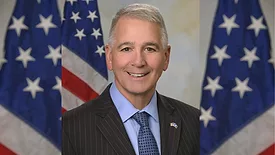
Previously serving as the Surgeon General of Louisiana and a U.S. Representative for the state of Louisiana, Ralph Abraham, M.D., D.V.M. has practiced both family and veterinary medicine throughout his career.
The Safe Food Coalition, comprising seven influential stakeholder groups, has written a letter to FDA, CDC, and Health Secretary Robert F. Kennedy Jr. urging the agencies to take immediate action to protect infant formula, in light of the ongoing ByHeart infant botulism outbreak.