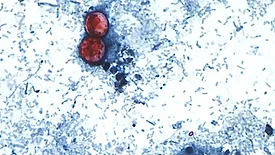
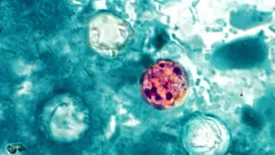
More than 400 cases in Michigan, Ohio, Kentucky, and West Virginia appear to be epidemiologically linked, although a food source has not been confirmed. Michigan alone reports more than 3,300 Cyclospora infections.
Per CDC, 843 domestically acquired cyclosporiasis cases have been confirmed in 31 states, plus another 1,500 pending analysis. Michigan alone has reported more than 2,600 cases and is looking at lettuce as a potential vehicle of illness.
Cyclosporiasis is surging across the U.S., with CDC and state public health officials reporting a growing number of cases. Michigan alone has reported more than 1,200 Cyclospora infections since June, resulting in at least 44 hospitalizations.
Reoccurring, emerging, and persisting (REP) strains cause foodborne illnesses over extended periods of time, rather than through isolated outbreaks. The REP framework was jointly developed by CDC, FDA, and USDA-FSIS through the Interagency Foodborne Outbreak Response Collaboration.
Scombroid toxin and ciguatoxin caused the greatest number of illnesses, hospitalizations, and death. Characterizing marine toxin outbreaks can help guide prevention efforts.
CDC has published a report summarizing the multistate enteric disease outbreaks it solved in 2024, of which 29 were foodborne, resulting in 1,533 illnesses, 519 hospitalizations, and 19 deaths.
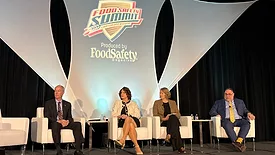
On Thursday morning, officials from FDA, USDA-FSIS, CDC, and AFDO took the stage at the 2026 Food Safety Summit Town Hall to talk about the current developments and priorities at their respective agencies.
Erica Schwartz, M.D., M.P.H., J.D. is a retired Rear Admiral in the U.S. Public Health Service Commissioned Corps, who has held medical leadership positions in both the U.S. Coast Guard and Navy.
The Interagency Food Safety Analytics Collaboration (IFSAC) is a joint effort between CDC, FDA, and USDA-FSIS. The latest report covers the year 2023 and focuses on the food vehicles of illnesses from Salmonella, E. coli O157, and Listeria monocytogenes.