CDC and USDA-FSIS researchers analyzed 50 salmonellosis outbreaks linked to pork and identified the most commonly implicated
products and serotypes, as well as the prevalence of antimicrobial resistance among isolates.
The latest Annual Report from the Office of Coordinated Outbreak Response, Evaluation, and Emergency Preparedness (CORE+EP) summarizes its response to outbreaks and adverse events associated with FDA-regulated human foods, and details notable incidents.
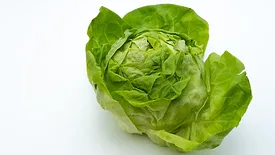
Positive environmental samples were found on a farm and at a Taylor Farms of Mexico processing facility, which supplied the implicated lettuce distributed by Taylor Fresh Foods. The root cause of contamination was not found, however. FDA also announced ten actions to prevent future cyclosporiasis outbreaks.
Adopted by the Pan American Health Organization (PAHO), the strategy sets goals to increase the number of countries in the region conducting foodborne illness surveillance, making food safety decisions informed by risk assessments, and participating in regional cooperation and coordination.
Food Standards Scotland (FSS) has outlined its plans to reduce foodborne illness over the next three years, prioritizing Campylobacter, Listeria monocytogenes, and Shiga toxin-producing Escherichia coli, as well as its related research objectives.
CDC has declared the unprecedented Cyclospora outbreak linked to Taylor Farms iceberg lettuce over. FDA continues its root cause investigation of the current outbreak as well as investigations into other U.S. cyclosporiasis outbreak clusters.
An interim report details how Michigan investigators gathered early epidemiologic evidence pointing to iceberg lettuce in the massive U.S. cyclosporiasis outbreak, and how patient interview data helped inform public health actions and FDA’s traceback in real time.
Three Salmonella Enteritidis outbreak clusters potentially associated with imported eggs, one of which is part of a broader EU-wide outbreak, are under investigation. There is no evidence implicating UK-produced eggs. UKHSA emphasized that the overall risk to the public is low.
The Taylor Farms iceberg lettuce recall has been given Class I status. The details of the recall and FDA’s public health advice remain unchanged. Experts explain why recall classifications “should not be a media-worthy event” and how such headlines can cause confusion among consumers.
The Nara Organics infant botulism outbreak has ended, with four sick in three states. Whole genome sequencing (WGS) findings and a shared powdered milk supplier/processor indicate a common source of contamination with the 2025 outbreak linked to ByHeart infant formula.