Researchers have developed and validated a rapidly vaporizing antimicrobial liquid designed for dry sanitization, which, after further optimization and regulatory approvals, could offer a potential alternative to highly flammable alcohol-based solutions.
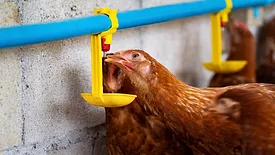
Elevated levels of certain metals and the presence of commonly used disinfectants were found to inactivate Salmonella vaccines administered to poultry via drinking water.
The California Longitudinal Study, a five-year environmental study of California’s Central Coast produce-growing region, identified wildlife, livestock, and surface water as potential contributors to the persistence and movement of Shiga toxin-producing Escherichia coli (STEC).
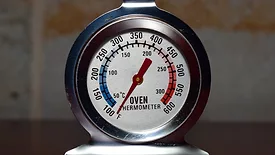
Maximum reductions in norovirus infectivity occurred rapidly once temperatures reached 60 °C (140 °F). The findings could help inform improved thermal processing recommendations for foodborne norovirus.
The researchers positioned the machine learning model as a low-cost complement to traditional testing workflows, helping dairy processors enhance food safety while targeting laboratory resources.
Incorporating a novel “bio-fumigation” method based on a natural compound produced by mustard plants, the micro-malting machine effectively addresses mycotoxins while preserving quality. USDA is working with industry to scale the prototype for widespread adoption.
Researchers found that the presence of nanoplastic particles can increase the expression of virulence and antimicrobial resistance (AMR) genes in Salmonella,and can also encourage biofilm formation.
In an analysis of domestic refrigerator swabs, researchers discovered complex microbial communities harboring foodborne pathogens and antimicrobial resistance (AMR). The findings also suggested that regular cleaning is possibly more important than temperature control in managing these communities.
Unlike plastic, the mycelium- and cellulose-based material is biodegradable and free of chemicals of concern. It is likely safe for humans and the environment in the long term, as demonstrated by humanity’s history of consuming fungi.
Dispersibility may be a useful tool for simulating the spread and hygienic control of allergenic food powders. Researchers recommend that producers add powders from as low a position as possible to reduce the risk of cross-contamination.