A recent study examined the extent of gluten migration from different biodegradable food contact materials into a variety of liquid and solid foods to provide a more comprehensive basis for assessing the risk of exposure for wheat allergy and celiac disease patients.
A recent study has shown the ability of Highly Pathogenic Avian Influenza (HPAI) H5N1 to infect mice fed contaminated raw milk, while, separately, testing conducted by the U.S. Department of Agriculture Food Safety and Inspection Service (USDA-FSIS) has found HPAI traces in muscle from culled dairy cows.
A recent study has demonstrated the superior capability of “electronic tongue” (e-tongue) technology when detecting spoilage microorganisms in wine, in comparison to traditional human sensory evaluation.
A study has identified significant deficiencies in existing quantitative risk assessment models for Listeria monocytogenes on produce, such as failure to consider important contamination factors in primary production, among other gaps.
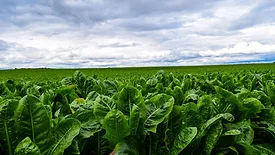
Forward processing of leafy greens crops does not significantly increase the food safety risk posed by Escherichia coli, suggests a recent study led by a USDA Agricultural Research Service (USDA-ARS) scientist and funded by the Center for Produce Safety.
To investigate the potential impact of more widespread adoption of food irradiation, CDC analyzed a decade (2009–2020) of U.S. foodborne illness outbreak data for four significant foodborne pathogens, and found 155 outbreaks linked to irradiation-eligible foods that had not been irradiated.
The results of the eighth annual Global Food Safety Training Survey, which assesses the quality and implementation of food safety training at food businesses worldwide, were recently published, revealing a critical need for improvement.
A recent study found high levels of antimicrobial resistance (AMR) among Escherichia coli on raw chicken meat sold at retail in the UK, as well as in chicken-based raw dog food samples—with almost half of samples resistant to critically important antibiotics.
A recent study comparing the presence of chemical contaminants in conventionally and hydroponically grown produce found pesticide residues and toxic heavy metals in a larger number of conventional samples than in hydroponic samples. Phthalate levels were consistent between conventional and hydroponic samples.
An EU project that monitors contaminants in important Mediterranean fishing regions/seafood species has discovered concerning levels of microplastics in the guts and stomachs of some fish.